Over the past four months, Remake Learning has been actively building: launching new convenings, advancing bold experiments, and contributing to national and global conversations about the future of education.
From neighborhood gatherings to international stages, the work continues to expand in both depth and reach. Ideas are being tested in real-world contexts, partnerships are strengthening, and new possibilities are taking shape.
These field notes offer a snapshot of that progress, and a look at where the work is heading next.
Opening Doors Across the Neighborhood
Meet Your Neighbors
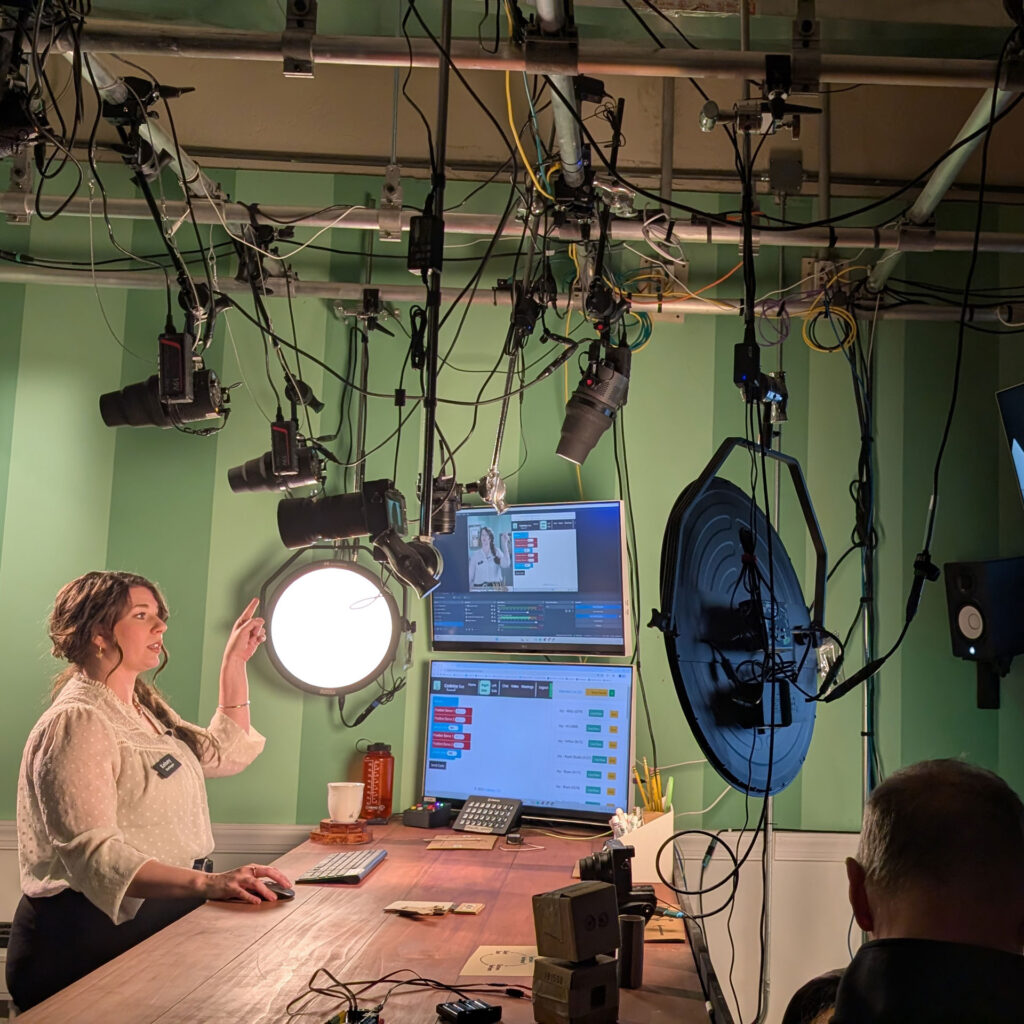
In January 2026, we launched a new convening strategy: Meet Your Neighbors.
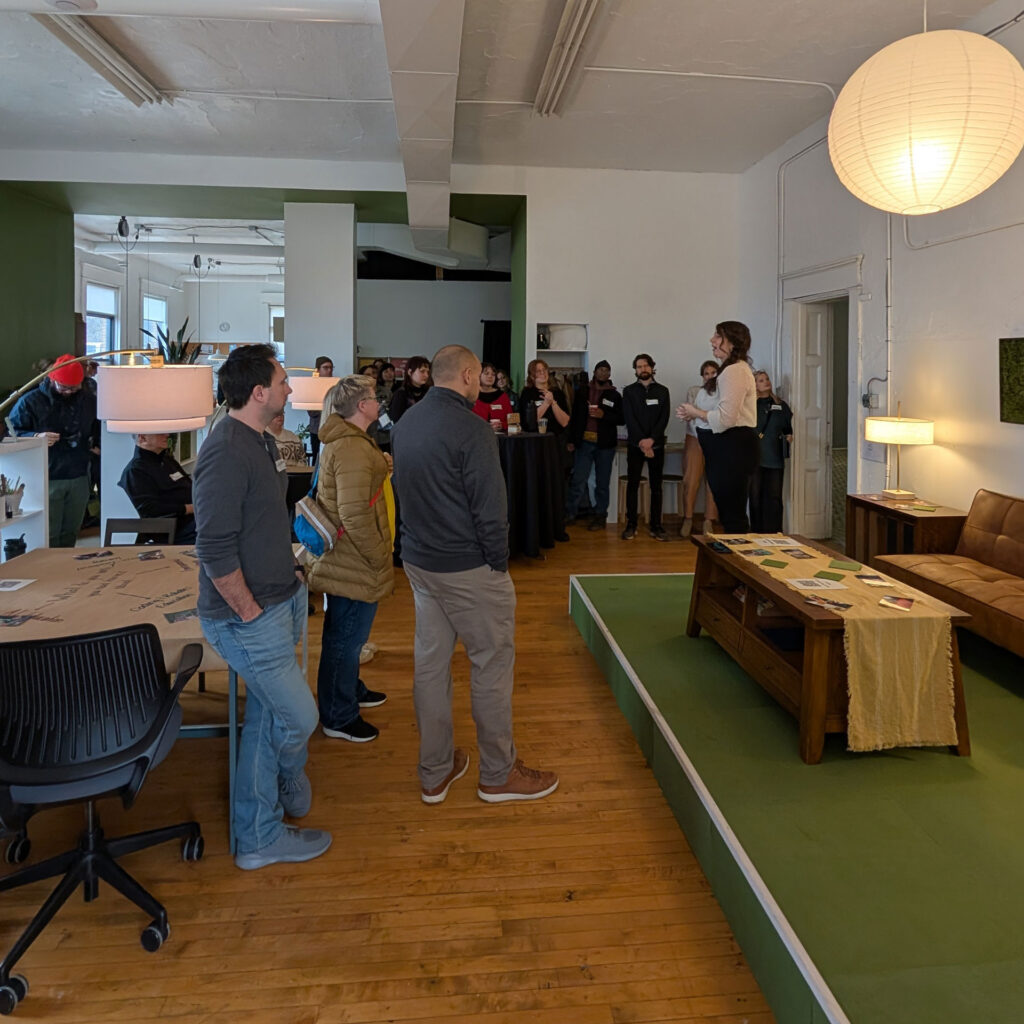
The idea is simple: Members of the Remake Learning network open their doors and invite others in for authentic connection, shared learning, and a closer look at the work happening across our region.
Our first gathering, hosted by CodeJoy on January 14th, was a full house. What stood out most wasn’t just the turnout, but the energy in the room: educators, technologists, community leaders, and partners connecting across roles and organizations, many for the first time.
These gatherings remind me that one of our greatest strengths as a region is not just what we do, but how we do it: through relationships, curiosity, and a willingness to learn from one another.
As we look ahead to additional Meet Your Neighbors events on March 24th at Junior Achievement and May 21st at Bella Terra Stables, the event series is already becoming an important new thread in the fabric of our ecosystem.
Reflecting on Moonshot Learning

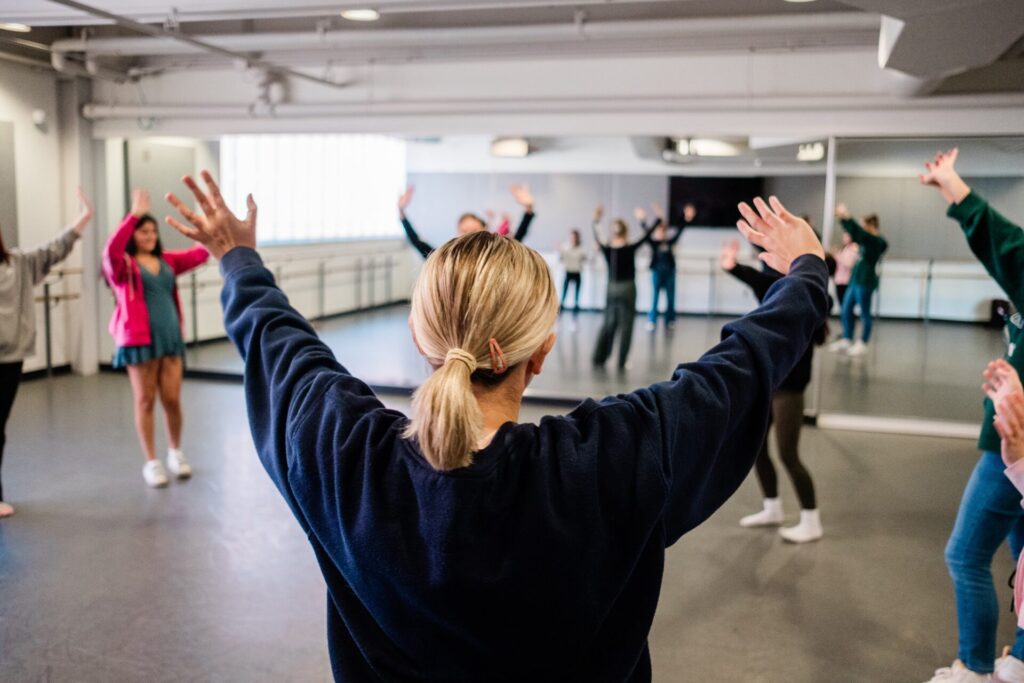
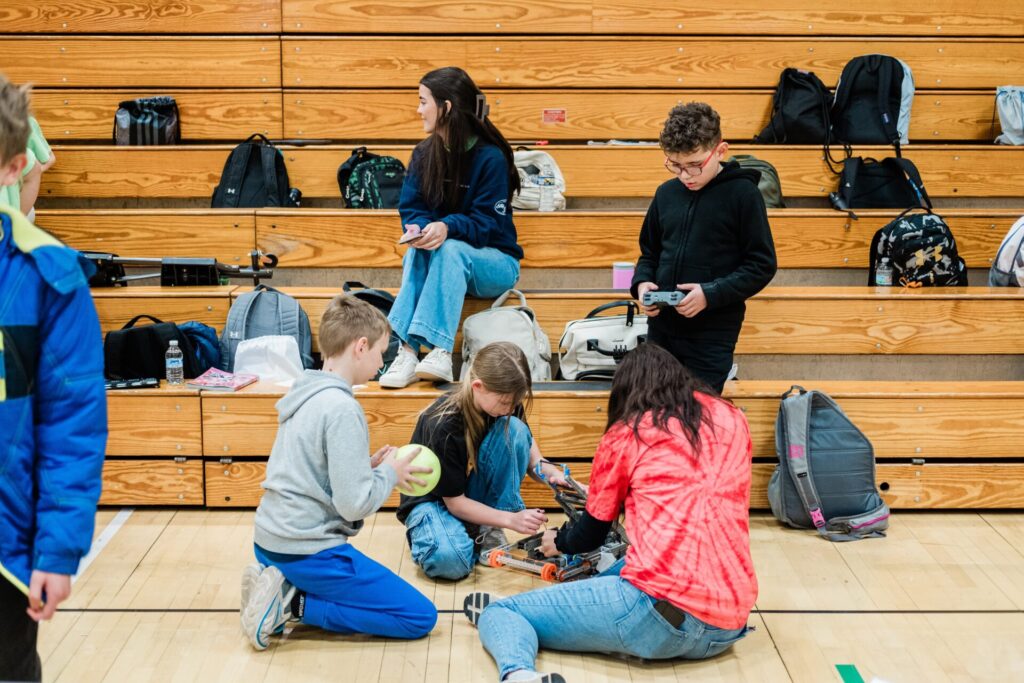
In February 2026, our Round 7 Moonshot Grant projects concluded a year of bold experimentation and learning. Across 17 projects, educators and partners explored a wide range of themes:
- Learning From, In, and With Nature through stewardship, green technology, and outdoor learning
- Blazing New Pathways to prepare and support educators through mentorship and real-world experience
- Creating Inclusive Learning Environments where all learners can collaborate, contribute, and thrive
- Positioning Students for Leadership by elevating youth voice and agency in meaningful ways
- Continuing the Mission to support learners beyond their high school days
- Traversing the Learning Landscape of more accessible, family-inclusive learning spaces
What continues to stand out in this work is not just the innovation itself, but the willingness to test ideas in real-world contexts. The educators leading these projects are being bold, learning by doing, refining through reflection, and sharing their insights.
From Pittsburgh to the World Stage
Global Impact Forum
In November, our team contributed to The Global Impact Forum, co-hosted by GSV and Penn State.
Stephanie Lewis led a panel discussion on creating meaningful learning experiences both inside and outside the classroom, alongside ecosystem partners Kashif Henderson from Neighborhood Learning Alliance, Stephanie DeLuca from Brentwood School District, plus Sharon Massey and Sean Derry Local X Change.
The conversation reflected a core belief we continue to advance: that learning happens everywhere, and that the most powerful experiences often emerge when schools and communities work together to design opportunities that connect young people to the world around them.
Tyler Samstag led an opening panel titled “Leading the Future of Learning and Work in the Age of AI” featuring Jennifer Nash (LEGO Education), Khalid Mumin (Reading School District), Sean Roberts (Code.org) , and Tom Butler (Appalachia Intermediate Unit 8) and later that day, Cabinet Chairperson Gregg Behr led the keynote titled “Little Bets and Big Moonshots.”
Education House @ Davos
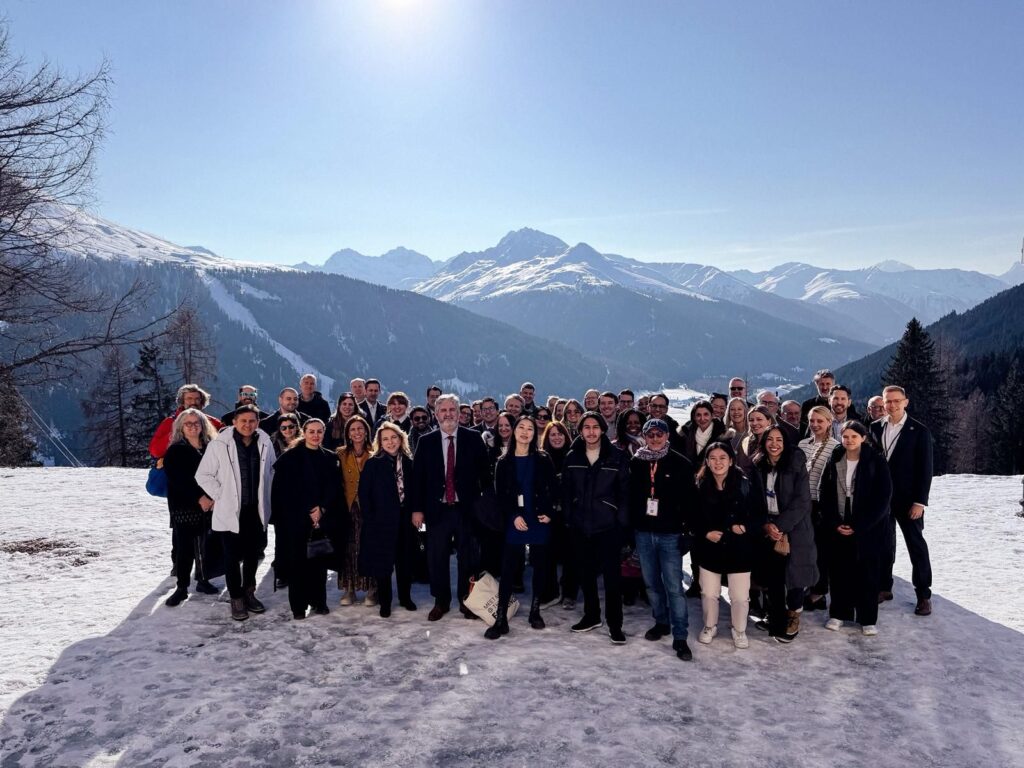
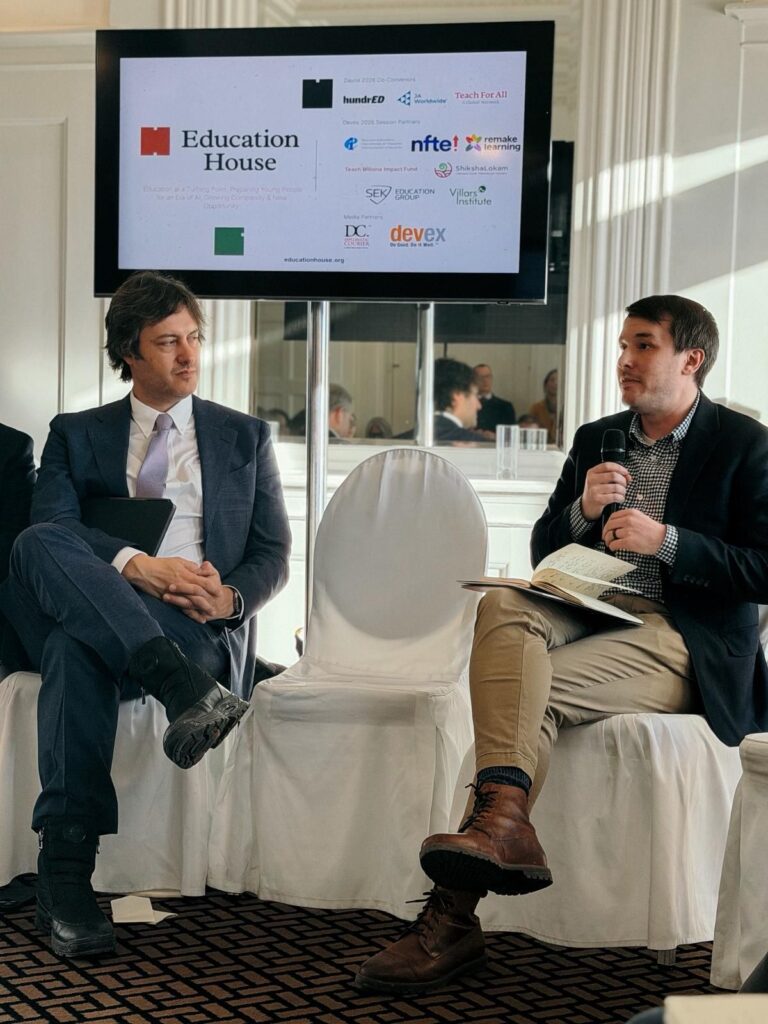
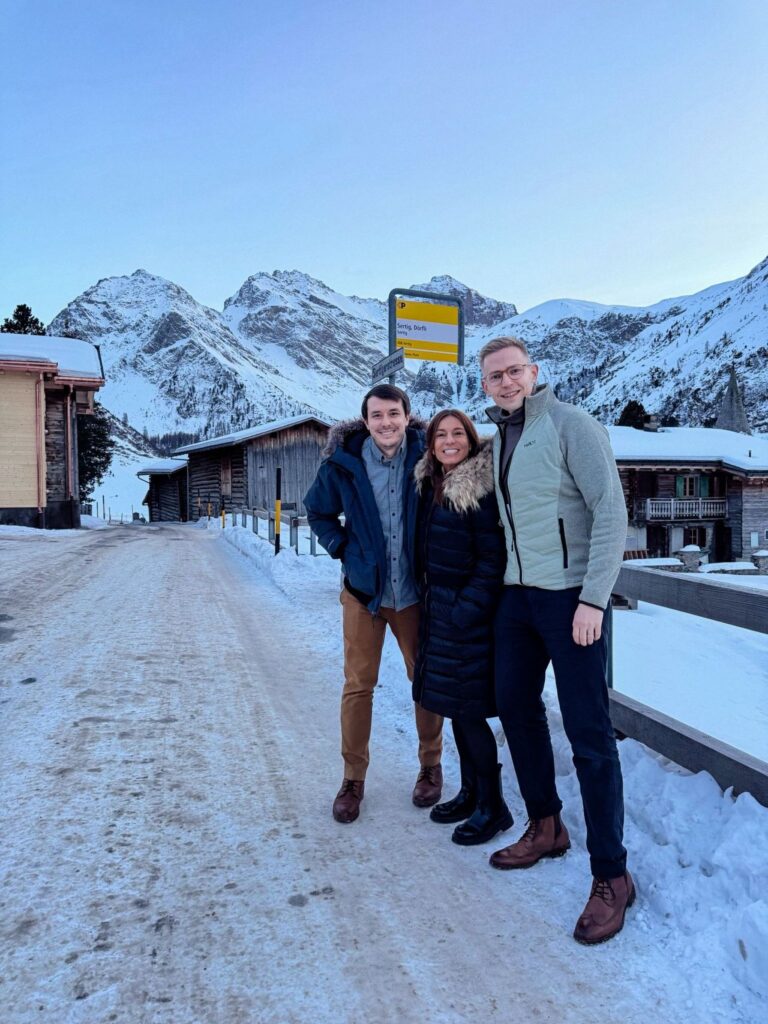
In January, Tyler Samstag had the opportunity to represent Remake Learning and our region at Education House during the World Economic Forum in Davos, Switzerland.
Across conversations with leaders from education, business, government, and civil society, one theme came through clearly: the future of learning cannot be addressed in isolation. It must be approached through an ecosystem lens.
As we discussed how to get there, the answer, again and again, was partnership across sectors, across institutions, and across traditional boundaries.
Remake Learning provided tangible examples to the discussion from more than two decades of stewarding a learning ecosystem in Pittsburgh, including the critical role of intermediary organizations and the people who serve as connectors and “weavers.” Ecosystems do not coordinate themselves. They require intentional effort to build trust, align work, and move ideas forward.
Designing the Future Together
Forge Futures 2.0
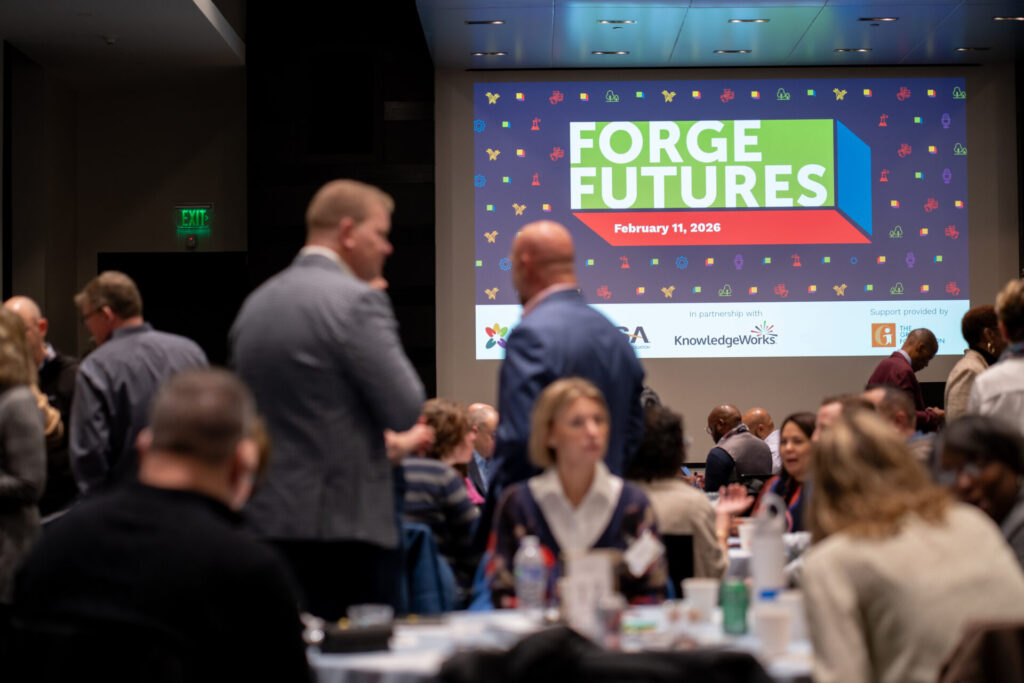
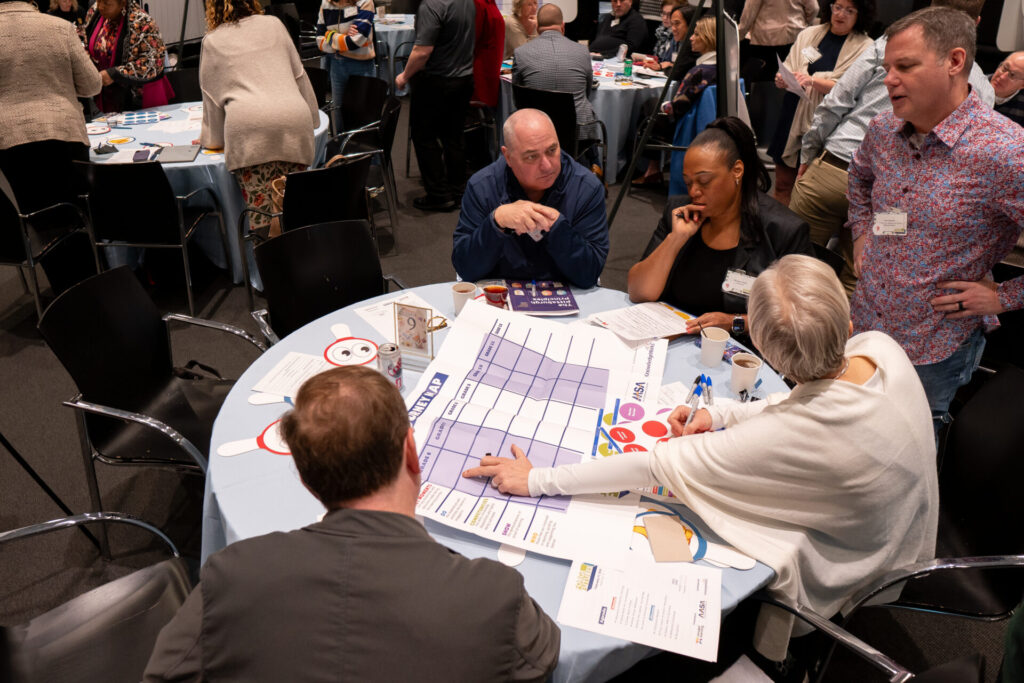
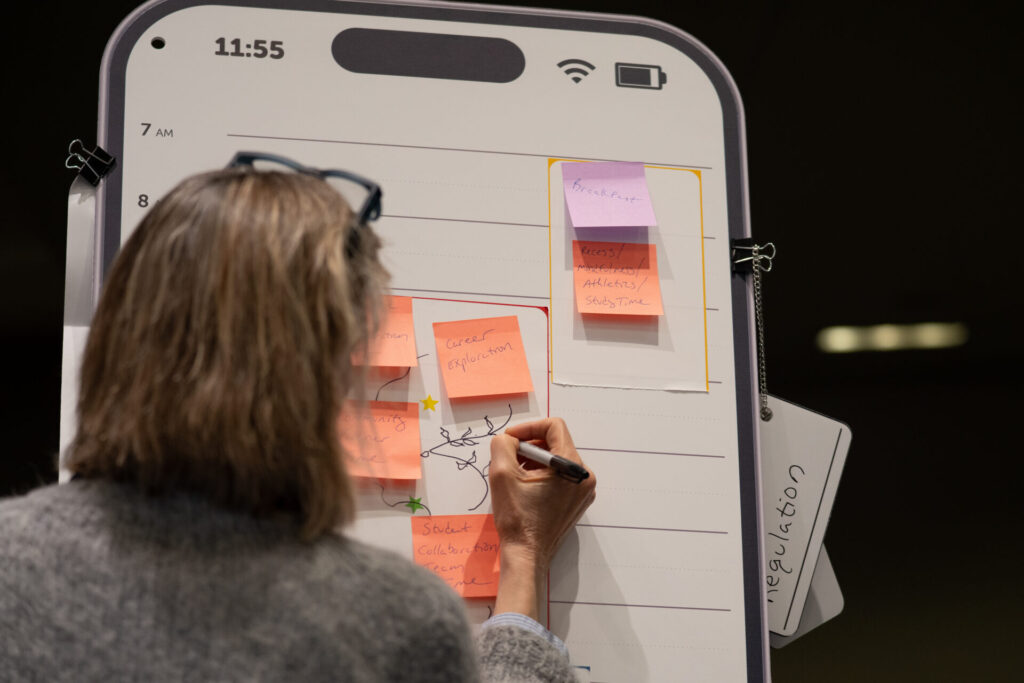
In February, we partnered with AASA and KnowledgeWorks to host Forge Futures 2.0, bringing together 150 education leaders from across the country.
Timed alongside AASA’s National Conference on Education, the convening created space for hands-on design, collaborative visioning, and bold thinking about what learning could become.
Participants worked across sectors and disciplines to explore new possibilities for the future of learning, asking big questions about what young people need to thrive and how systems must evolve to support them.
Forge Futures 2.0 featured two important announcements:
- Remake Learning opened a new round of National Moonshot Grants, with $775,000 in funding to support collaborative, forward-looking projects.
- New America launched the National Commission on Learning Ecosystems to bring together leaders from across the country to examine what makes learning ecosystems effective.
For us, this moment felt both validating and energizing. The work we’ve been doing in Southwestern Pennsylvania is helping to inform a growing national movement, even as we continue to learn from others.
Progress in Practice
Civic Learning Ecosystem
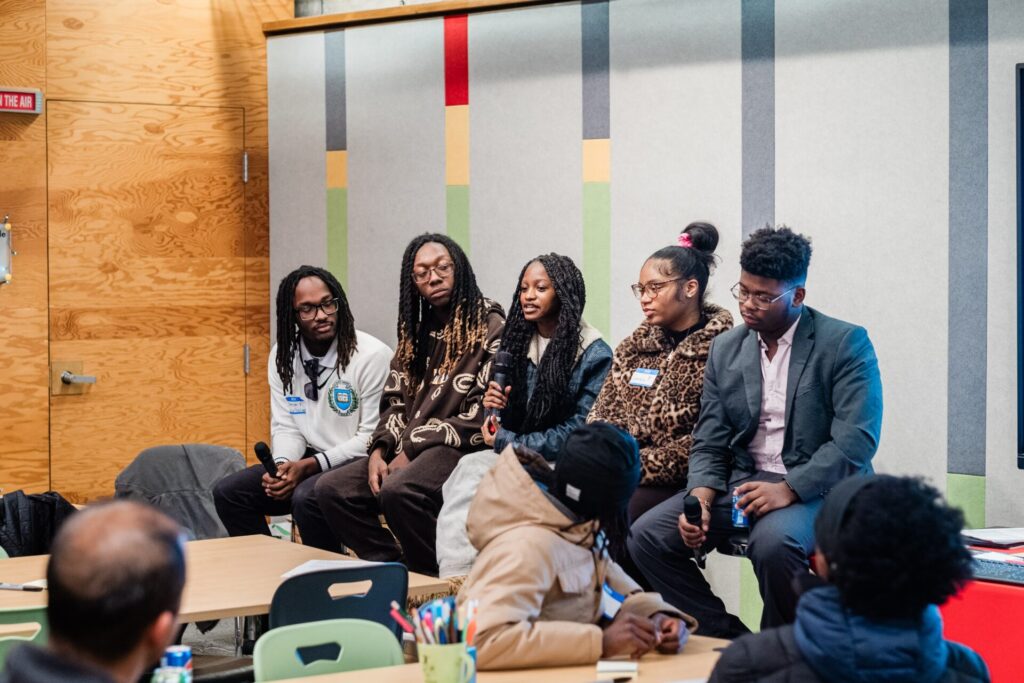
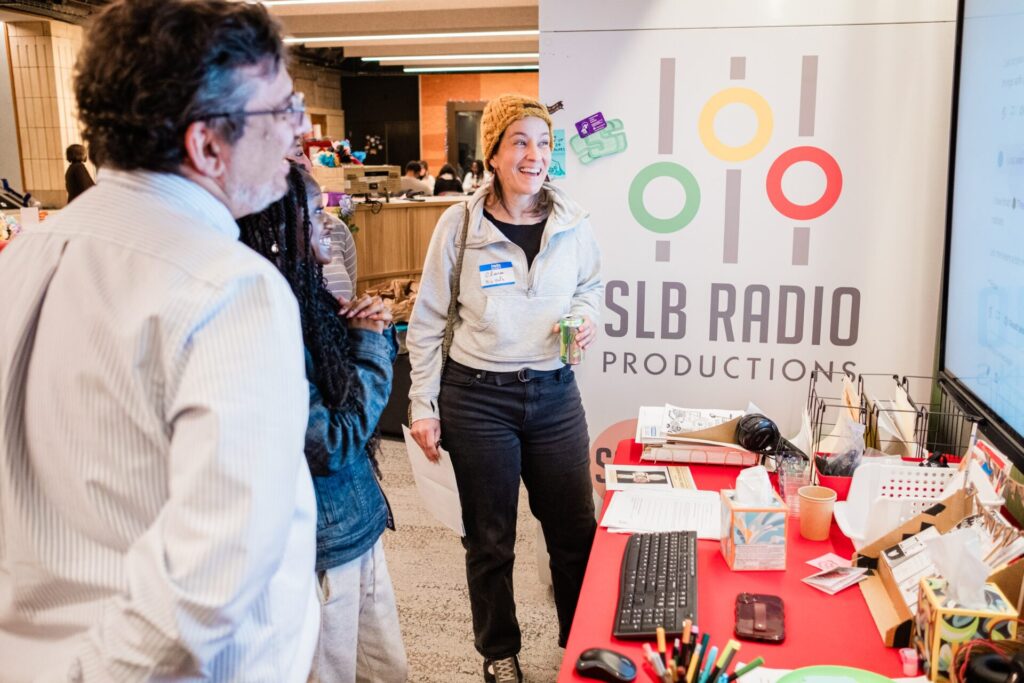
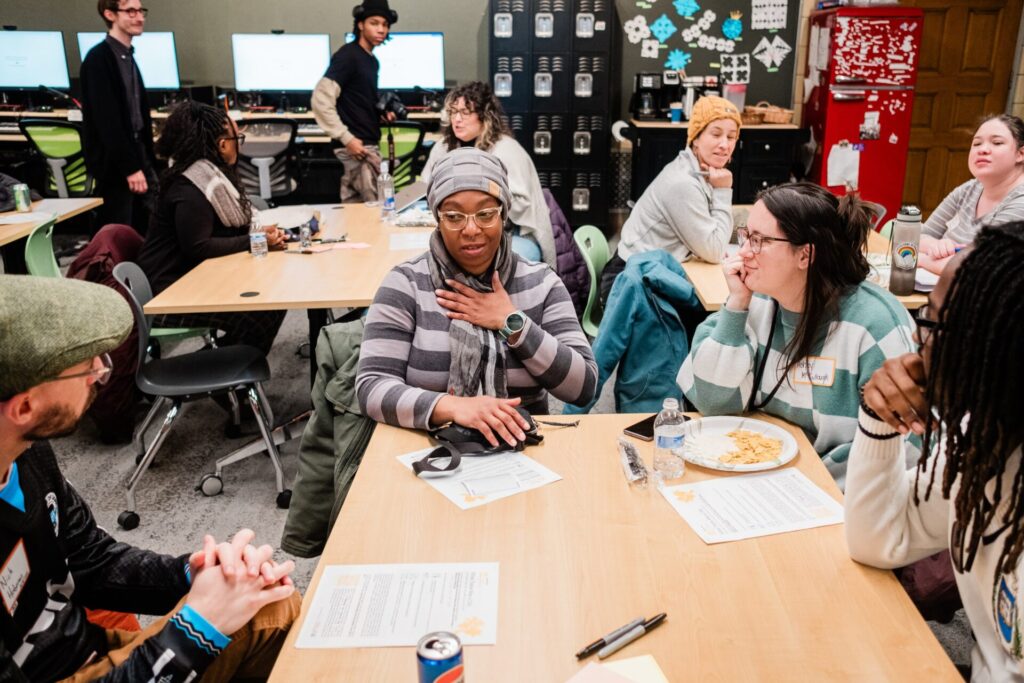
Throughout 2025, our Civic Learning Ecosystem working group explored a powerful question: What does a city look like when mapped by the young people growing up inside it?
Through interviews, research, and hands-on design sessions, including a collaborative MapJam in October, young people identified the places where they feel belonging, leadership, and purpose. They also named barriers and surfaced aspirations for what civic life could become.
What emerged is the Civic Discovery Map, an AI-powered tool designed to help teens, educators, and community members navigate civic opportunities across the region. Launched in December 2025, the map reflects the collective insight, creativity, and agency of the young people who created it.
As one student shared: “A lot of adults think teens aren’t motivated. That’s not true. Most of us dream big. Sometimes all it takes is one real conversation to change how someone sees themselves.”
Another student reflected: “Being part of something like this changes how you see yourself. Knowing my work can actually have an impact. It’s kind of mind-blowing.”
These voices remind us that when young people are co-creators in the design process, the results are not only more relevant, but more transformative.
Personalized Learning Working Group
Building on the efforts of our Personalized Learning Working Group, we partnered with KnowledgeWorks to release the Pennsylvania Innovation Guide for Personalized Learning, a resource designed to help education leaders take meaningful steps toward more learner-centered systems.
The guide highlights the unique policy landscape in Pennsylvania, outlining the flexibilities that districts can leverage to rethink how learning is structured and experienced.
By pairing policy insights with real-world examples from local districts, the guide aims to bridge the gap between vision and implementation and to support educators and school leaders as they navigate change and design systems that better serve all learners.
Picturing the Present, Forecasting the Future
The Stories We Shared
This winter also saw the release of several new resources and stories that continue to expand our shared understanding of what learning can be:
- Nurturing What’s Next, developed in partnership with KnowledgeWorks, offering a 10-year forecast for the future of learning in Southwestern Pennsylvania
- Learning for Human Flourishing, a new video exploring the ideas found in the Both/And publication we released in September 2025
- Seeds of Possibility, from Education Reimagined, and Learning Ecosystem Intermediaries, from Knowledge to Power Catalysts, built on insights from Forge Futures 1.0
- A playlist of animated videos highlighting projects from the first round of National Moonshot Grants
Together, these resources reflect a growing body of work that is helping to articulate not just what’s changing in education, but what’s possible.
Media Highlights
Between November and February, more than 10 media stories highlighted work from across the Remake Learning ecosystem, including:
- 5 early ed highlights from 2025, Hechinger Report
- Harry Potter-style sorting improves student behavior at Pennsylvania middle school, Gov1
- Systems leadership and ecosystem stewardship, Youth Today
- WVU, WVPEC to power statewide learning during Remake Learning Days, WVU Today
- Report Provides Forecast of Southwestern PA Education in 10 Years, ELRC5
- New America Announces a National Commission on Learning Ecosystems, New America
- Doncaster MP and Energy Secretary Ed Miliband supports sustainable fashion event, Doncaster Free Press
These stories help extend the reach of our work. We’re sharing lessons, elevating innovation, and contributing to broader conversations about the future of learning.
Looking Ahead
As we move toward spring, the work continues to build. Across the ecosystem, partners are designing new experiences, strengthening collaborations, and advancing ideas into practice.
What stands out is not just the individual efforts, but how they connect. Across organizations and communities, there is a shared commitment to moving from ideas to action—and to doing so together.
Whether you are launching something new, deepening existing work, or exploring where to engage next, the momentum continues to grow across the network.