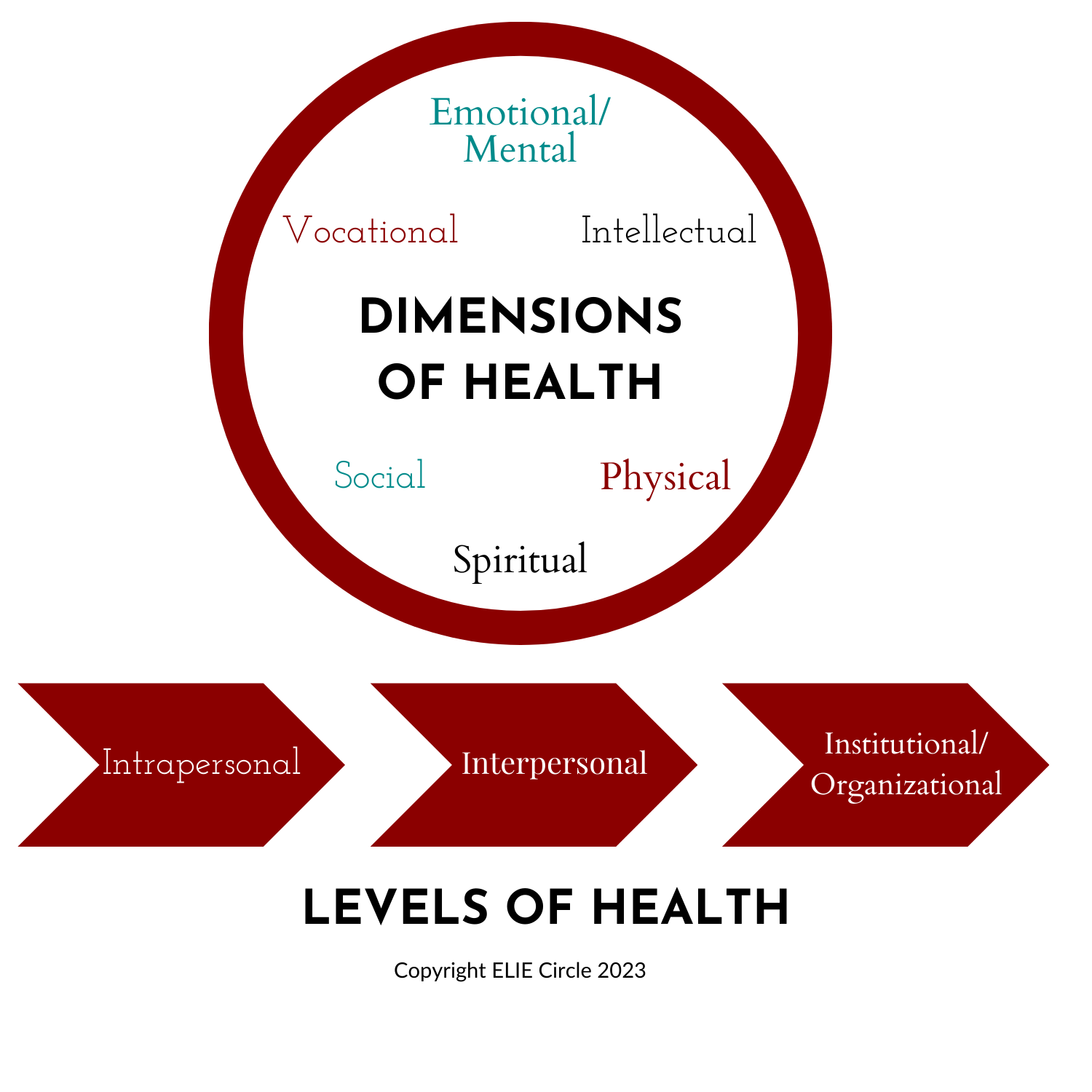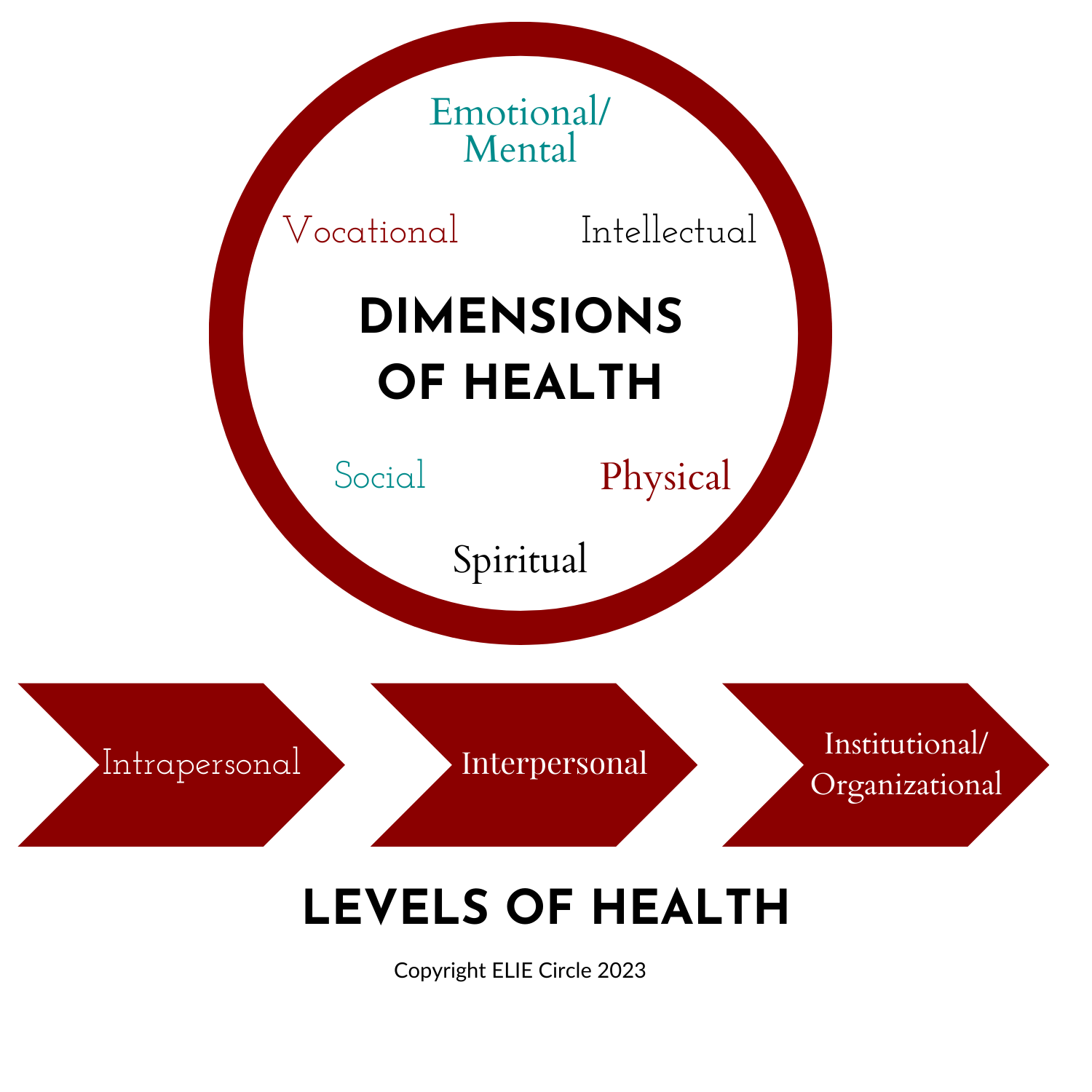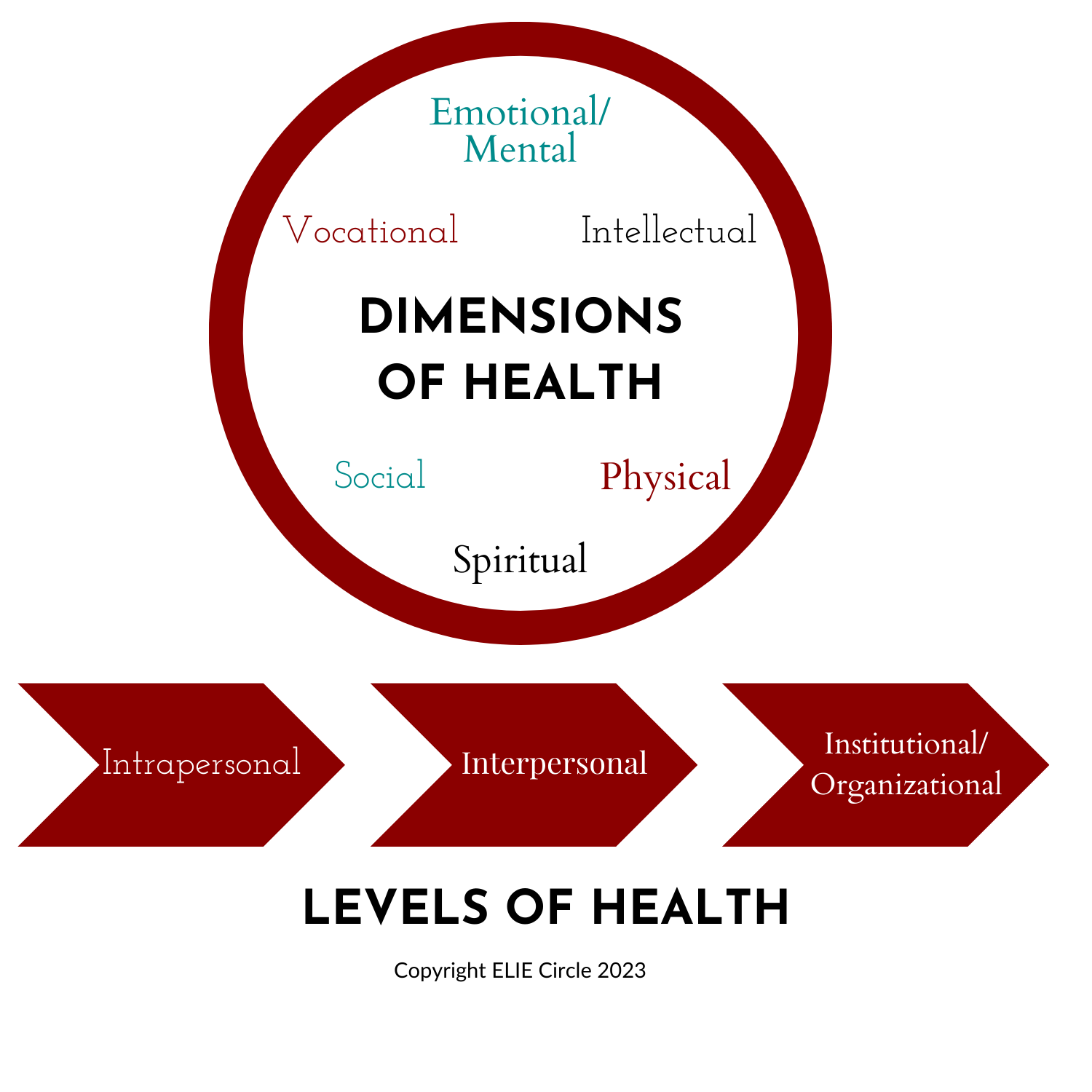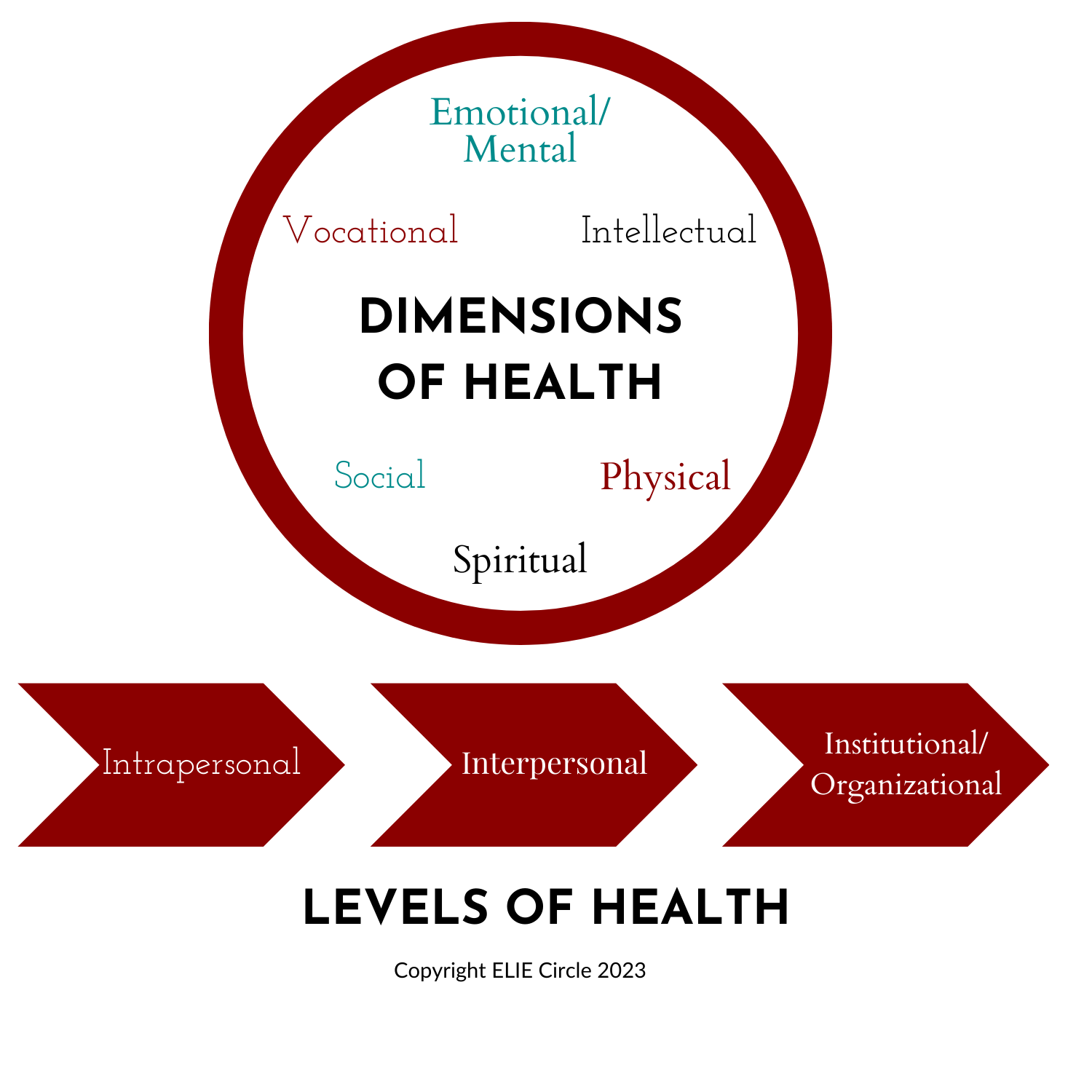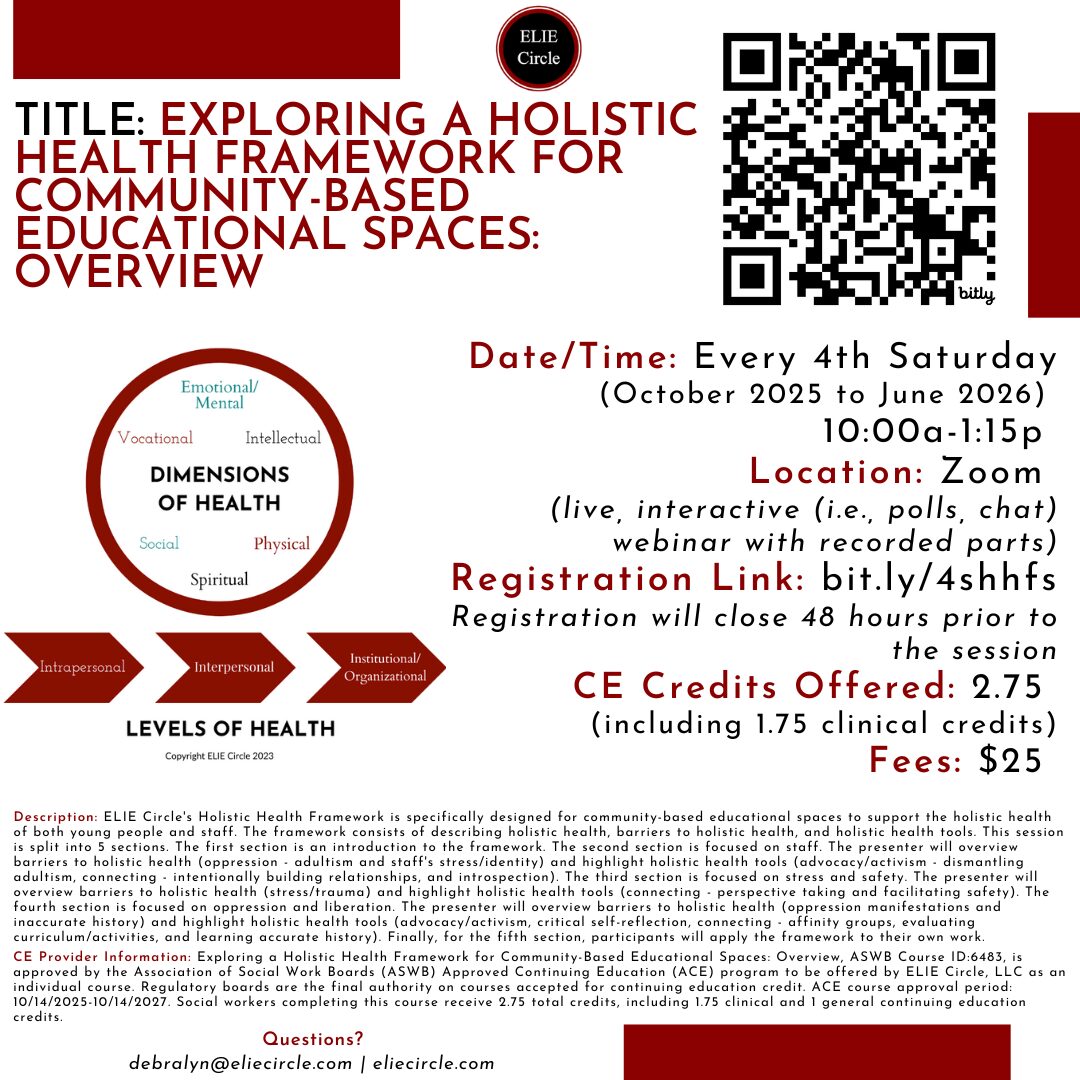
ELIE Circle’s 3-part Holistic Health Framework is specifically designed for community-based educational spaces to support the holistic health of both young people and staff. The framework consists of describing holistic health, barriers to holistic health, and holistic health tools.

The first session is focused on staff, I will introduce participants to the framework, discuss barriers to holistic health (oppression – adultism and staff’s stress/identity), detail holistic health tools (advocacy/activism – dismantle adultism, connecting – intentionally build relationships, and introspection), and finish with participants practicing to use the framework in their own work.

Dates/Times:
Series 1: Monday, July 7, 2025 4p-7p ET
Series 2: Saturday, July 12, 2025 10a-1p ET
Series 3: Friday, August 1, 2025 12p-3p ET

The second session is focused on stress and safety, I will introduce participants to the framework, discuss barriers to holistic health (stress/trauma), detail holistic health tools (connecting – perspective taking and facilitating safety), and finish with participants practicing to use the framework in their own work.

Dates/Times:
Series 1: Monday, July 14, 2025 4p-7p ET
Series 2: Saturday, July 19, 2025 10a-1p ET
Series 3: Friday, August 8, 2025 12p-3p ET

The third session is focused on oppression and liberation, I will introduce participants to the framework, discuss barriers to holistic health (oppression manifestations and inaccurate history), detail holistic health tools (advocacy/activism, critical self-reflection, connecting – affinity groups, evaluating curriculum/activities, and learn accurate history), and finish with participants practicing to use the framework in their own work.

Dates/Times:
Series 1: Monday, July 21, 2025 4p-7p ET
Series 2: Saturday, July 26, 2025 10a-1p ET
Series 3: Friday, August 15, 2025 12p-3p ET

If you attend all 3 sessions, I will provide you with a free one-on-one 15-minute follow up Zoom meeting.

These series are for individuals not organizations. If you are looking to train your whole staff, please email professionaldevelopment@eliecircle.com.

This 3-hour session, based on Dr. Woodberry’s dissertation, presents a conceptual model and techniques for staff in community-based educational spaces to use to explore gendered racial socialization messages and 5th-12th grade Black girls’ interpretation of messages, gendered racial identity ideologies, and outward display of sense of self in CBES.

2 Sessions:
Saturday, August 2, 2025 10a-1p ET
Tuesday, August 5, 2025 4p-7p ET

ELIE Circle’s 3-part Holistic Health Framework is specifically designed for community-based educational spaces to support the holistic health of both young people and staff. The framework consists of describing holistic health, barriers to holistic health, and holistic health tools.

The first session is focused on staff, I will introduce participants to the framework, discuss barriers to holistic health (oppression – adultism and staff’s stress/identity), detail holistic health tools (advocacy/activism – dismantle adultism, connecting – intentionally build relationships, and introspection), and finish with participants practicing to use the framework in their own work.

Dates/Times:
Series 1: Monday, July 7, 2025 4p-7p ET
Series 2: Saturday, July 12, 2025 10a-1p ET
Series 3: Friday, August 1, 2025 12p-3p ET

The second session is focused on stress and safety, I will introduce participants to the framework, discuss barriers to holistic health (stress/trauma), detail holistic health tools (connecting – perspective taking and facilitating safety), and finish with participants practicing to use the framework in their own work.

Dates/Times:
Series 1: Monday, July 14, 2025 4p-7p ET
Series 2: Saturday, July 19, 2025 10a-1p ET
Series 3: Friday, August 8, 2025 12p-3p ET

The third session is focused on oppression and liberation, I will introduce participants to the framework, discuss barriers to holistic health (oppression manifestations and inaccurate history), detail holistic health tools (advocacy/activism, critical self-reflection, connecting – affinity groups, evaluating curriculum/activities, and learn accurate history), and finish with participants practicing to use the framework in their own work.

Dates/Times:
Series 1: Monday, July 21, 2025 4p-7p ET
Series 2: Saturday, July 26, 2025 10a-1p ET
Series 3: Friday, August 15, 2025 12p-3p ET

If you attend all 3 sessions, I will provide you with a free one-on-one 15-minute follow up Zoom meeting.

These series are for individuals not organizations. If you are looking to train your whole staff, please email professionaldevelopment@eliecircle.com.

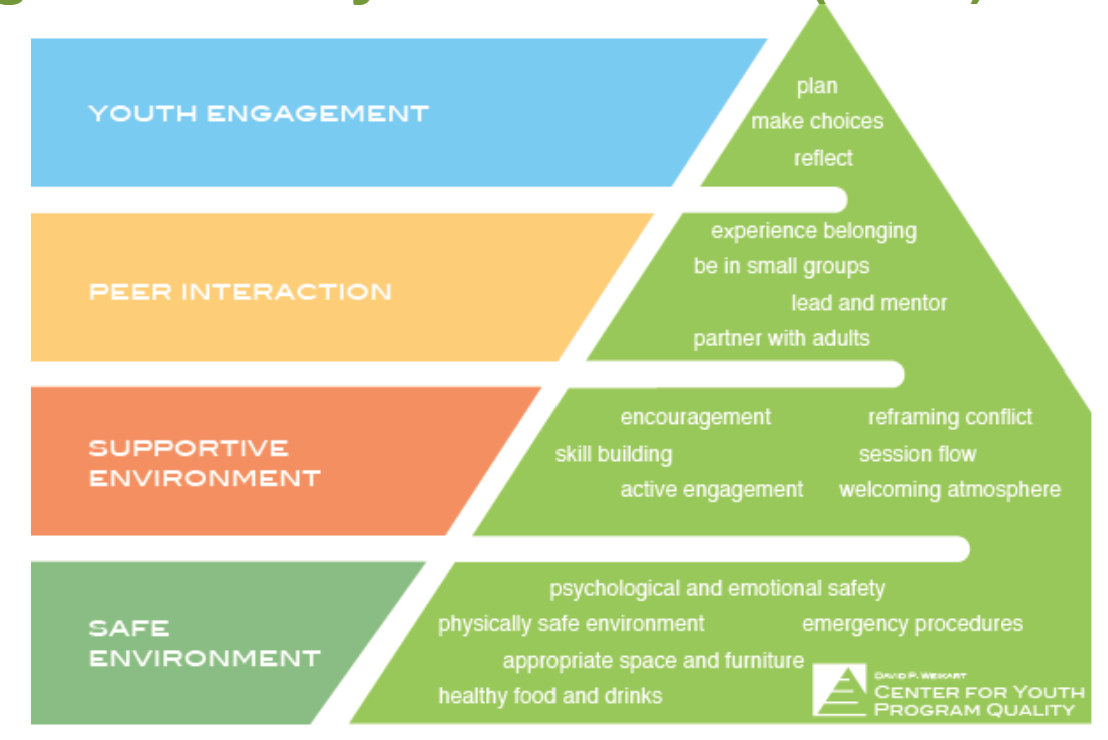
Get ready for summer programming with David P. Weikart’s Youth Work Methods Workshops! Debralyn Woodberry-Shaw, PhD, LMSW, will host six Youth Work Methods Workshops over the course of two Saturdays (June 14, 2025 and June 21, 2025):

*Structure and Clear Limits
*Reframing Conflict
*Ask-Listen-Encourage
*Cooperative Learning
*Building Community
*Planning and Reflection

Descriptions
*Structure and Clear Limits – This workshop helps staff establish appropriate structure (routines and rituals) and clear limits (norms and behavior guidelines), fostering a feeling of fairness and predictability that supports young people to explore and express themselves in a conducive learning environment.

*Reframing Conflict – This workshop provides a six-step, youth-centered, nonthreatening way of resolving conflicts that occur in youth settings. It is a problem-solving approach that seeks to turn conflicts into learning opportunities.

*Ask-Listen-Encourage – This workshop provides strategies for carrying out positive, purposeful interactions with young people through asking effective questions, letting young people speak, and making specific observations about their decisions that encourage them to succeed.

*Cooperative Learning – This workshop gives strategies for successfully incorporating interactive, interdependent, goal-oriented group work into youth programs. Working in pairs or groups supports young people in being active, self-directing, and expressive.

*Building Community – This workshop introduces methods for building supportive, youth-centered relationships and prepares participants to ask effective questions, listen actively to youth, and encourage young people by tapping their intrinsic motivation.

*Planning and Reflection – This workshop provides practical and fun tools for engaging young people in the Plan-Do-Reflect learning process. It focuses on establishing clear, comprehensive plans at the beginning of an activity and reflecting on the results and process after the activity has been completed.

This course is designed to prepare young professionals (i.e., less than 5 years of experience in the field) for a career in community-based educational spaces with a foundation in education and social work. Community-based educational spaces (CBES) “are activities and programs operated outside of class time – whether in the school building during the school day or outside the building independent of the school day – that support the holistic health (e.g., emotional/mental, intellectual, physical, spiritual, social including social identities, vocational) of young people. Also, … include[d are] activities and programs led by community organizations that occur during the school day in the school building (e.g., a social-emotional skills group facilitated by a community organization during lunchtime) and those that are sponsored by schools but do not happen during class time (e.g., … group held in the library during study hall by the school librarian)… CBES [is] a broad term to include after school, before school, summer, art, weekend, youth activism, workforce, and mentoring programs, libraries, religious institutions, museums, scouts, and city departments.” (Woodberry-Shaw, 2024, p. 1).

Through engagement with materials and other participants, participants will have an understanding of CBES through an equity lens including holistic health framework, young people’s development, learning, safety, and relationships. Drawing on our collective knowledge, we will identify and strategize around tensions in CBES and reflect on and apply course concepts to current and future work.

There are four parts to the course:

Synchronous Meetings – Tuesdays and Thursdays in July, 4:00pm-6:00p ET, via Zoom (see below for specific dates)
Materials – Readings and Viewings (assigned between meetings)
Writing – Before (writing prompts on readings and viewings) and After (reflection)
Final Showcase – Presentation and E-Portfolio
Specific Dates and Times of Meetings

July 8, 2025
July 10, 2025
July 15, 2025
July 17, 2025
July 22, 2025
July 24, 2025
July 29, 2025
July 31, 2025
Course Cost: $1,000/participant

The first 4 participants to register by May 31, 2025 11:59p will receive a $150 discount.
We must have at least 4 people register for the course or it will be cancelled.

If you are interested in certifying more than one person from your organization please reach out to professionaldevelopment@eliecircle.com.

If you have any questions, please see the FAQs. If you cannot find the answer to your question, please email professionaldevelopment@eliecircle.com.

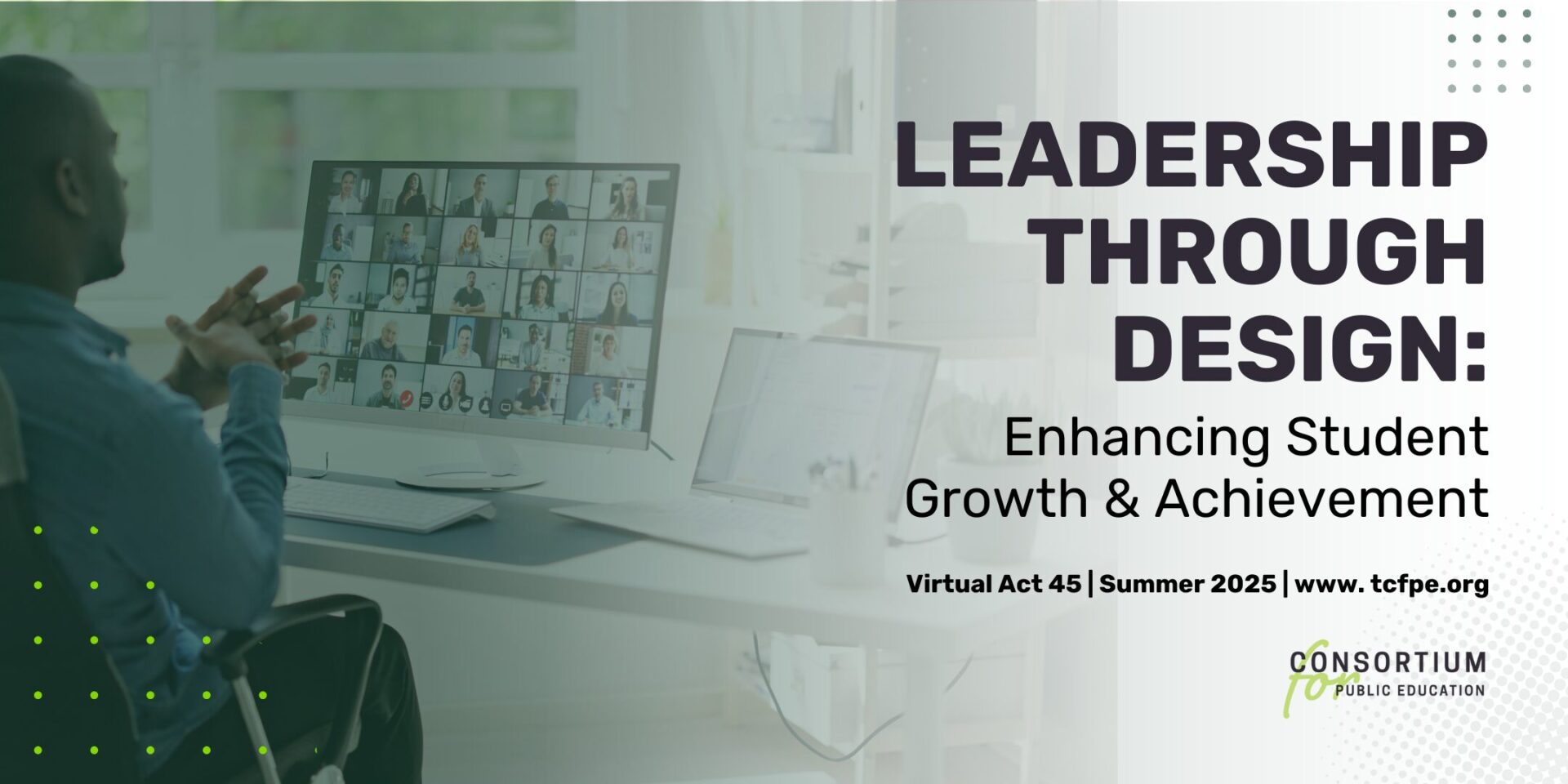
An impactful and engaging education system puts people first – students, parents, teachers, community members. Human-Centered Design (HCD) provides the toolbox and mindset to ensure a system stays agile and responsive to current and future stakeholders.

This course will introduce school leaders to design thinking and, more specifically, Human-Centered Design. Design thinking encompasses five phases of design: empathize, define, ideate, prototype, and test.

Throughout this virtual course, participants will learn about and apply each phase of the design cycle to a challenge within their school system that will foster student growth and achievement.

HCD is a subset of design thinking that focuses on empathy as a means for collaborative problem solving. When school leaders know their students well, the school systems better meet their needs. When leaders understand the challenges facing their communities, they can adapt to their priorities.

Participants will work throughout the course to develop and implement a plan for addressing an area of need in their school system around student growth and achievement.

This course includes direct instruction, individual and group activities, independent assignments, as well as job-embedded applications. Resources, including explainer videos and design templates, will be available.

25 hours of Act 45 credit will be awarded to school leaders who complete the course.

Join us for an informational 45-minute webinar to learn more about the Student Sustainability Design Challenge (SSDC), a free, project-based learning opportunity for middle and high school teams to tackle real-world community challenges aligned with the United Nations Sustainable Development Goals.

We’ll provide an overview of the program components, key dates, trainings, tools, and resources available to support educators, and introduce the program staff who will work alongside you throughout the experience. Open to all subject areas, clubs, and advisories, the SSDC empowers students to research, design, and present sustainable solutions that create real impact.

A video recording of this session will be provided to all registrants, so please register whether or not you can attend the live session.

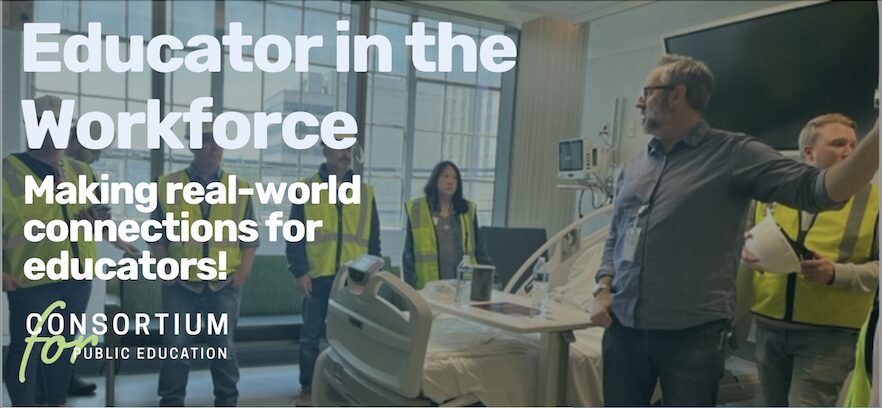
Your school is invited to learn more about an impactful professional development opportunity: Educator in the Workforce (EIW).

EIW immerses educators—teachers, counselors, and school leaders—into local workplaces to gain first-hand knowledge about the region’s key industries, employers, and career pathways. Through site visits and interactions with business leaders, educators learn:
– What jobs are in demand in our region
– The skills employers are seeking
– How classroom content connects to real-world careers

Not only does this experience benefit educators and students, it also supports employers who are eager to connect with the next generation of workers and showcase their industry.

As one local high school teacher shared:
“After 26 years of teaching, this is one of the few PD experiences that truly impacted my teaching and benefited my students. Every EIW event has directly connected to my curriculum and helped me better guide students toward real career opportunities.”

At this webinar, we’ll provide an overview of the program, share what participation involves, and answer your questions.

Join our live event to learn how to transform assignments in the age of AI and foster critical thinking and creativity.

As the world changes and AI becomes part of nearly every profession, what we teach and how we teach it matters more than ever. Students need more than content. They need to learn how to think critically, create with purpose, and adapt to a rapidly evolving world.

In this 90-minute interactive session, Dr. Jeff Ritter, a lifelong educator who has taught GED, ESL, American Studies, Media, and Communication, leads participants through a hands-on exploration of assignment redesign and creative problem solving in the age of AI.

Drawing on his experience leading Film, Media, Communication, and Technology departments and a Humanities division, developing interdisciplinary programs and core curricula, and teaching in Kosovo, Liberia, and Rwanda, Dr. Ritter brings a global, creative, and highly practical perspective on how to keep learning human-centered while embracing powerful new tools.

Summer camp is a unique opportunity to foster deep creative engagement, but too often art activities become routine, adult-directed crafts with predetermined outcomes, leaving children and adults frustrated and uninspired.

This workshop invites new and experienced educators, camp directors, and program leaders to rethink their approach—moving beyond step-by-step projects to design experiences that nurture curiosity, imagination, and child-led exploration.

Through hands-on examples and practical approaches to designing the environment, with loads of inspiring ideas, participants will learn how to incorporate open-ended materials, process-based art, and play-driven learning into their summer camp programs.