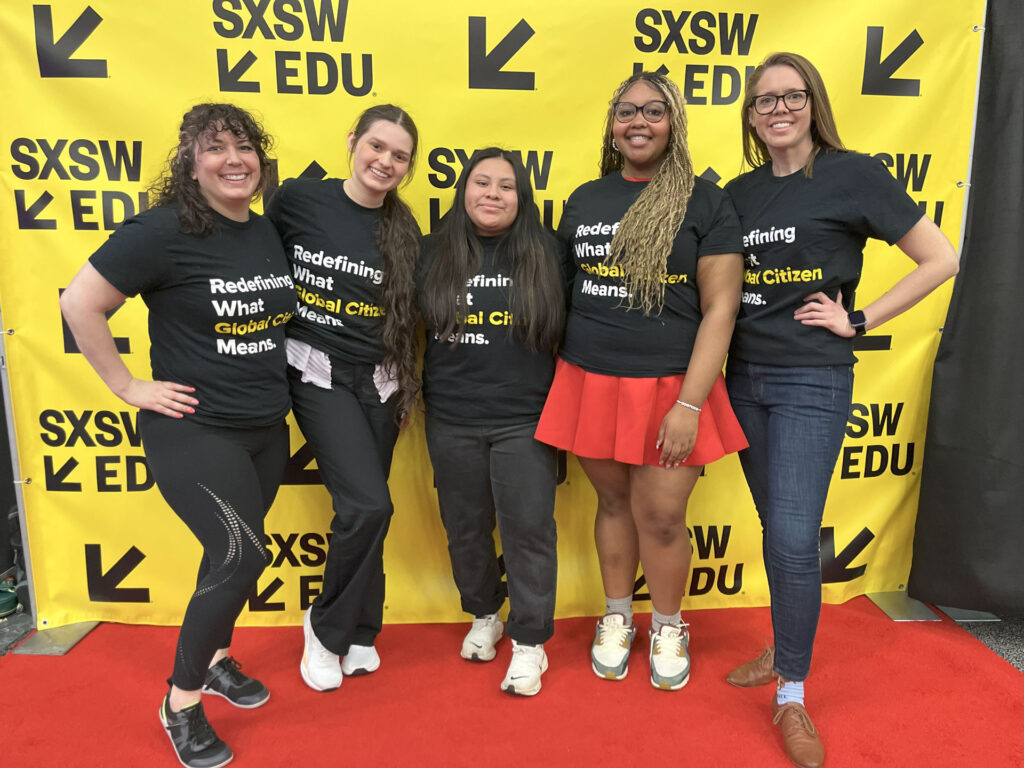
In March 2025, three student leaders from the World Affairs Council of Pittsburgh–Natalia C., Morgan M., and Julia T., traveled to Austin, Texas, to lead a workshop at SXSW EDU.
Their workshop, Youth-Adult Partnership for Inclusive Decision-Making, invited participants to reflect on how power and inclusion shape real-world decision-making, and how youth can and should be engaged as co-creators of solutions.
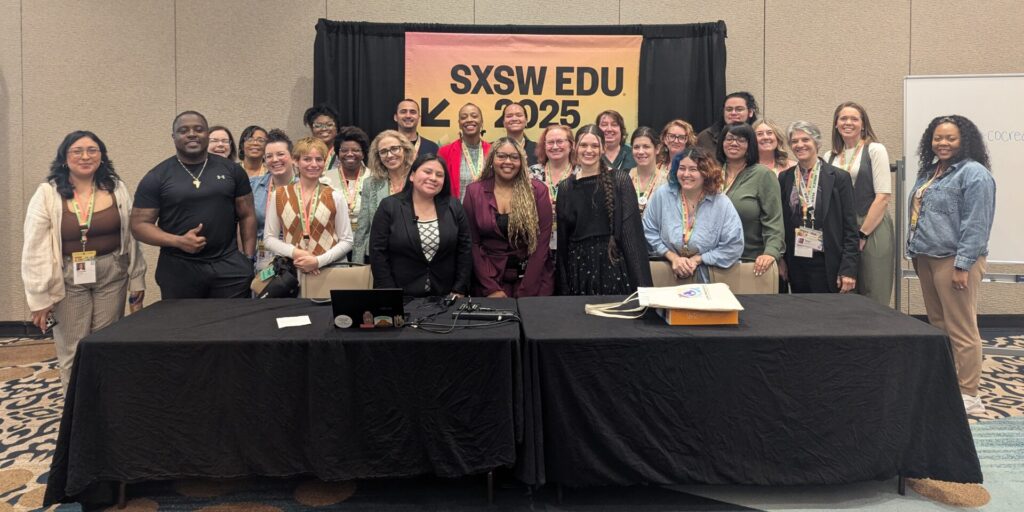
The students’ powerful facilitation earned praise across the board. Attendees called it one of the most authentic youth-led experiences at the entire conference. One educator asked to buy the simulation game to use during orientation for new teachers. Another described it as “the most productive session I attended all week.”
But perhaps even more powerful was what these young leaders took away from the experience as advice for others.
Tip #1: Pack smart, think bigger
Morgan says that preparing for SXSW EDU means more than reviewing your slides. “Bring comfortable shoes. Leave room in your suitcase for merch. And make room in your mind for the unexpected,” she says.
Her advice: attend sessions that align with your professional goals, but also explore the ones that pique your curiosity.
Natalia recommends preparing to network like a pro. “Have a LinkedIn ready or a QR code with your contact info,” she says.
“I had so many great conversations, but I wasn’t always prepared to follow up in a professional way.”
Connections are currency at SXSW EDU, and being ready to exchange ideas means being ready to stay connected afterward.
Tip #2: Be ready to lead and adapt
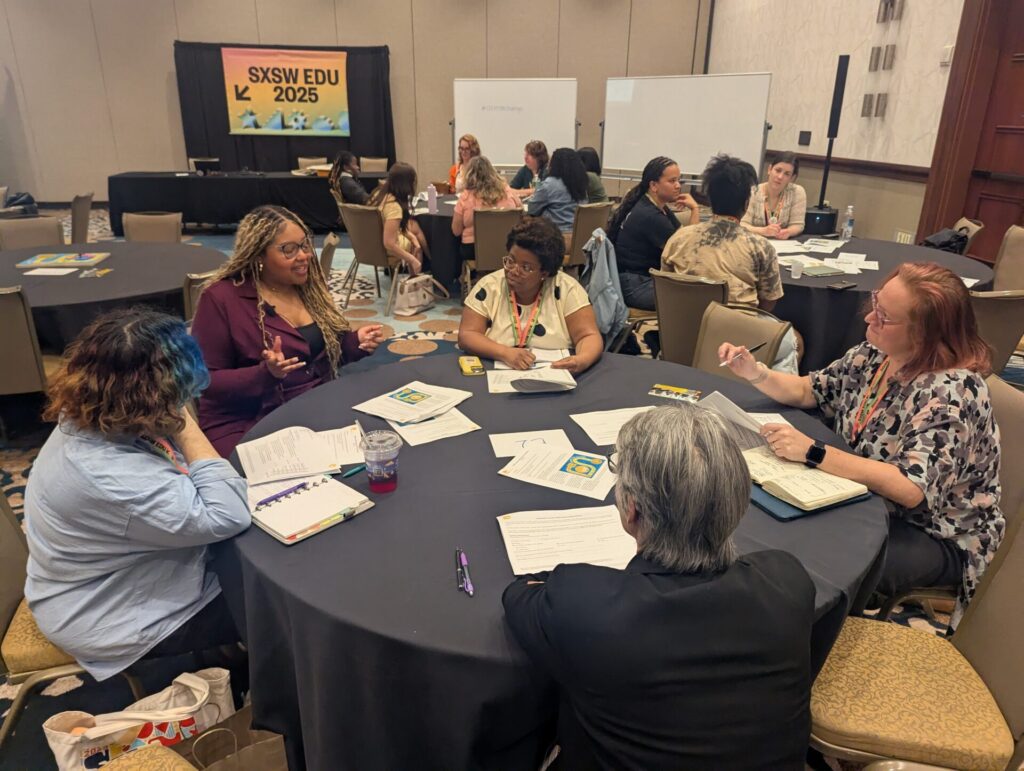
The Council’s session used a simulation to help participants explore how inclusion and exclusion affect decision-making outcomes. Youth facilitators then guided participants through a reflection on real-world systems, offering tools and rubrics they’d developed as part of the project.
Julia, a first-time presenter at this scale, says preparation made all the difference. “Practicing with the Council team, running the workshop in front of parents, repeating it until I had everything down—it gave me so much confidence,” she shared. “When it came time to actually lead the session, I wasn’t nervous. I felt ready.”
Of course, nothing ever goes exactly to plan. Natalia recalled how the simulation ran long, cutting into their presentation time. But she wasn’t shaken. “I learned that not everything will be perfect—and that’s okay,” she said. “Being able to adapt is part of what makes a good facilitator.”
Tip #3: Lead with listening
While leading their own session was the main event, students also took full advantage of the broader conference.
Morgan attended a session on “racial battle trauma” that gave her the words to name how bias impacts her well-being. “It changed how I think about the spaces I occupy,” she said.
Natalia felt similarly: “It was the first time I felt truly free to be myself in a professional space,” she reflected. “It gave me tools and confidence I’ll carry with me forever.”
For Julia, the standout was a keynote by Emily Calandrelli on bias and representation in STEM. “It made me reflect on all the times I’ve felt like my voice didn’t matter,” she said.
Each student talked about the importance of listening, not just as a participant, but as a presenter. “The best sessions were the ones where people made space for everyone to speak,” Morgan said. “That’s what we tried to do in ours, too.”
Tip #4: Remember why you’re there
The World Affairs Council’s session showcased youth leadership in action. Supported by a Remake Learning Moonshot Grant, the program was designed to flip the script: to train adults in how to build real partnerships with youth, using a game-based model youth created themselves.
“The fact that we weren’t just presenting about youth voice, but actually modeling it—that’s what made the session work,” said Julia.
Attendees noticed, too. One shared that it was “the most value-aligned session” on youth leadership they had attended.
From Youth-Led to Youth-Driven
As Natalia, Morgan, and Julia demonstrated, SXSW EDU is more than a stage, it’s a proving ground for bold ideas and authentic inclusion. With the right support, preparation, and mindset, young leaders don’t just belong in these spaces. They elevate them.
Their advice for future youth attendees? Be curious. Be prepared. Be yourself. And above all: know that you have something to offer.
Co-authored by:
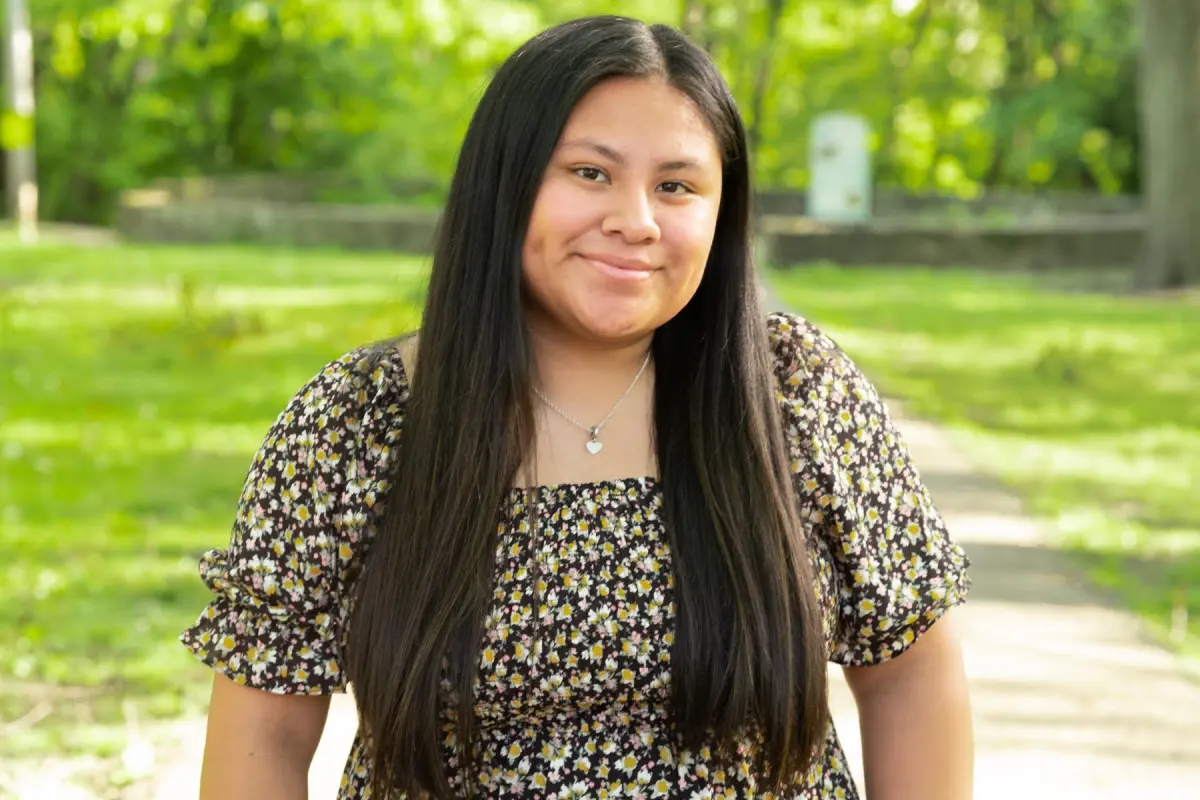
Natalia C.

Morgan M.