Pulse Checks
Pulse Checks are dynamic, time-bound explorations of a topic of emerging interest to in the Pittsburgh Learning Ecosystem.
In 2025, Remake Learning organized Pulse Checks focused on Artificial Intelligence and Outdoor Learning.
Over a series of meetings and investigations, each Pulse Check explored its topic in depth in collaboration with educators, community stakeholders, and leading practitioners in the field. Pulse Checks culminated in a landscape scan, a whitepaper, and a strategic direction for the network.

Priorities identified through the Pulse Check process informed Remake Learning’s fall 2025 Moonshot Grants.

Artificial Intelligence in Education
AI is reshaping education in ways that are still unfolding. Rather than rushing to answers, this Pulse Check created opportunities to pause together, reflect, and make sense of these shifts as a community.
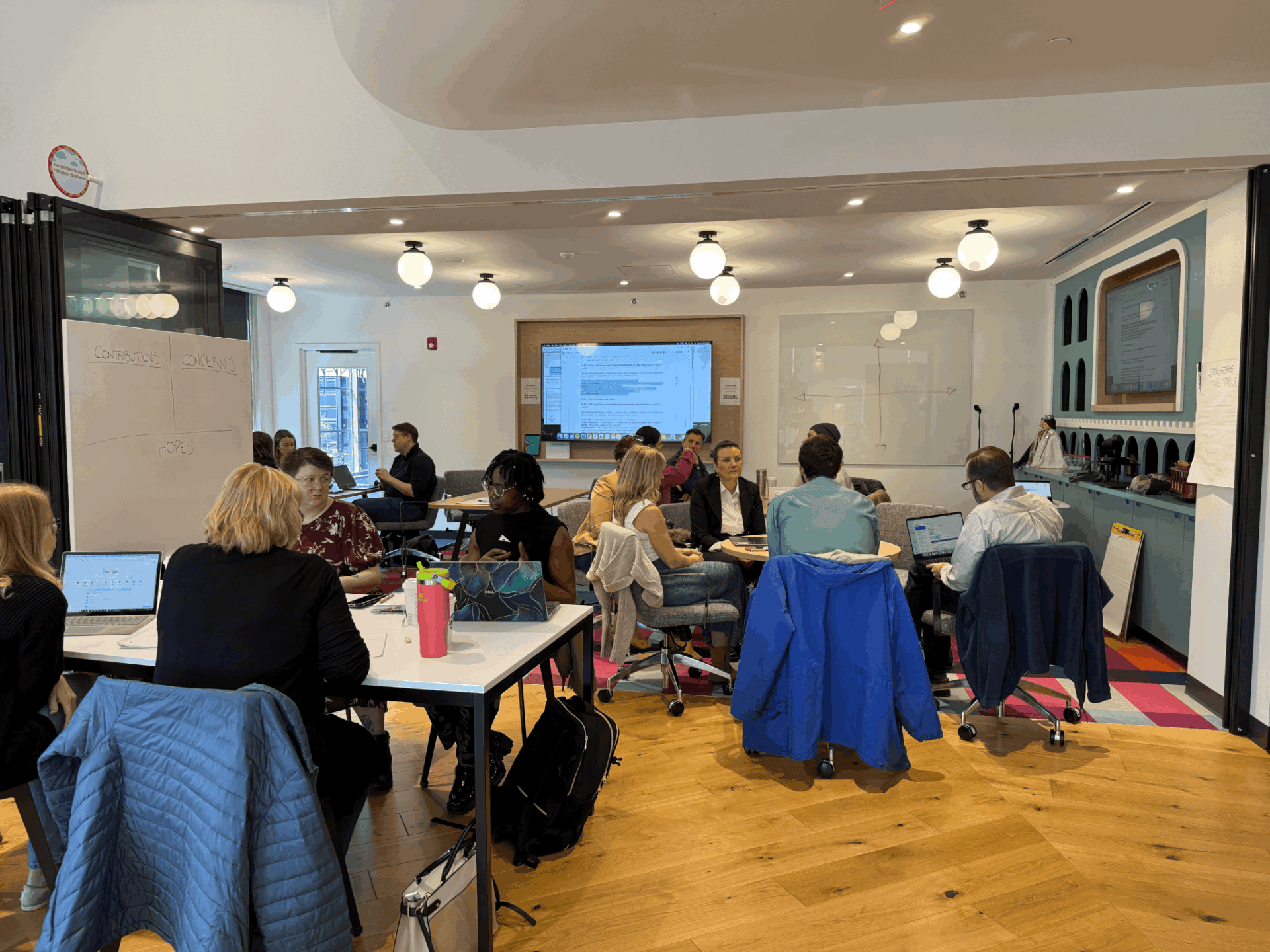
Through a series of facilitated conversations and investigations, Pulse Check participants shared concerns, contributions, aspirations, and possibilities for what AI in education may look like in southwestern PA.
Key findings emerging from the Artificial Intelligence Pulse Check process identified these priorities for educators and students to explore as they experiment with these new powerful tools and grapple with their implications:
- Prepare learners for careers in an AI-driven world by connecting them with local employers, mentors, and hands-on experiences that build skills in ethical and creative-technology use.
- Use AI tools to spark new creative pursuits—helping young people to imagine, design, and experiment in developmentally-appropriate ways that push their learning.
- Leverage AI tools to bring learners together—helping educators and young people to share ideas, co-create designs, projects, and/or solutions; and do something that they might not otherwise be able to do without AI.


Outdoor Learning
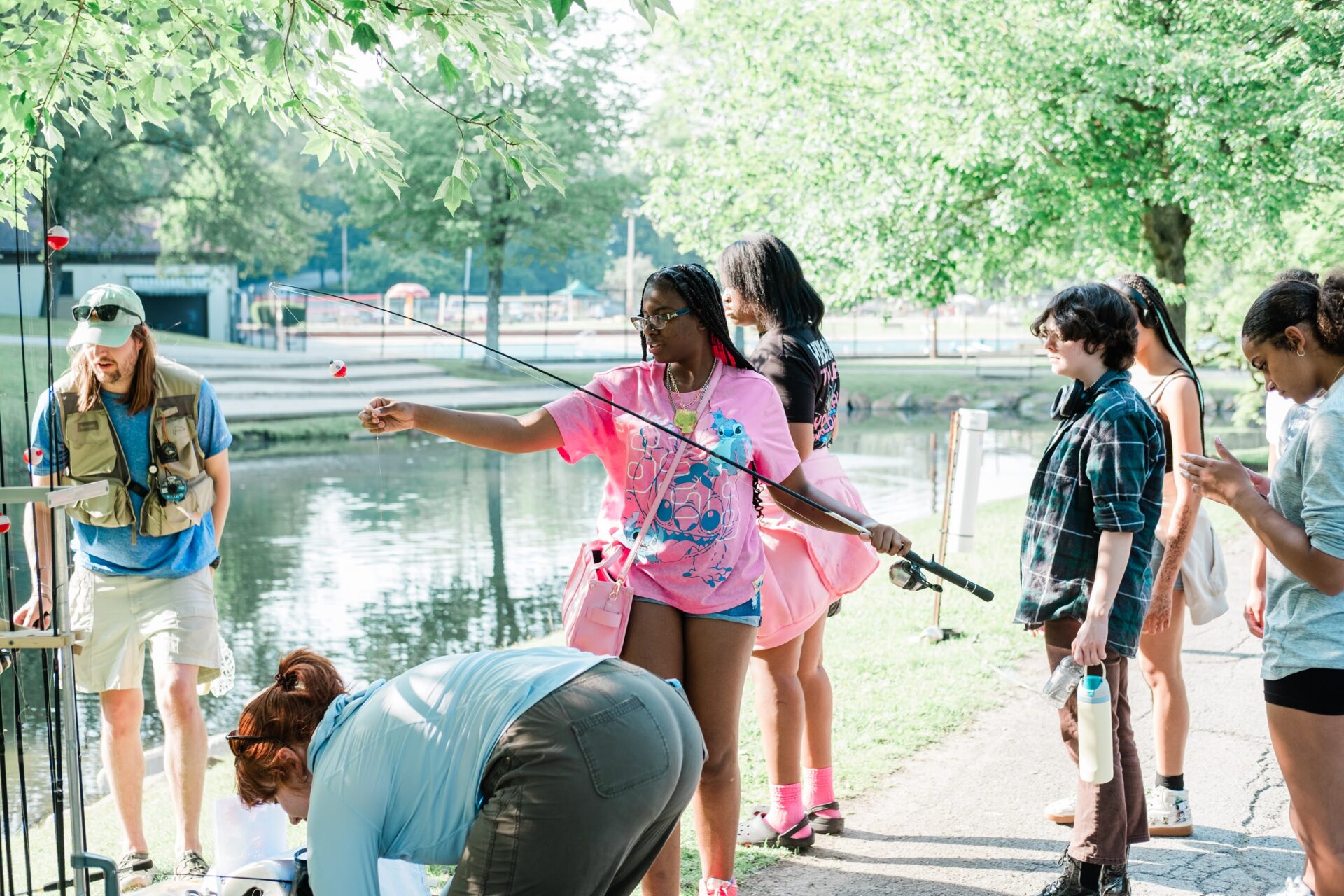
While opportunities for outdoor learning are abundant in the Pittsburgh region, challenges related to access, comfort, resources create barriers to reaching the region’s full potential for outdoor learning.
This Pulse Check focused on making sense of what we know about what’s happening, what’s needed, and what’s hoped for in outdoor learning in the Pittsburgh region.
Key findings emerging from the Outdoor Learning Pulse Check process identified these priorities for enriching and enhancing the outdoor learning landscape in the greater Pittsburgh region:
- Give learners opportunities to explore career pathways in the outdoors and environmental fields, helping them see themselves as future leaders in these fields.
- Create experiences where learning flows across classrooms and the outdoors, inspiring curiosity and creativity.
- Build strong partnerships between schools and out-of-school providers around the implementation of the new STEELS Standards so students can benefit from the expertise of environmental educators and the resources of the wider community.