Students were busy concentrating during the Unified eSports Invitational at Fox Chapel School District last May, hoping to earn victories for their teams. Dr. Megan Collett was equally busy, ensuring that the multiple school districts that had gathered for this competitive event had everything they needed.
She didn’t mind, though, that parents kept stopping her to marvel at this inaugural competition, dreamed up by the school district with help from a slew of partners including the Special Olympics and local tech companies.
Thank you for finding a way for my child to shine, they each told Collett, who serves as executive director of instructional and innovative leadership at Fox Chapel.
One father, in particular, was full of emotion: “My son is a loner,” he explained. “He doesn’t like to work with other people. That’s just a piece of his personality. But being on this new team is the first time that he’s really thriving in a collaborative way.”
Often, groups of students are unable to participate in meaningful learning opportunities because of limitations that might be physical, neurological or financial. These young people miss out on vital skill-building in areas like social development and career preparation.
To help close this opportunity gap, Remake Learning has awarded Moonshot Grants to three new programs designed to increase access to these kinds of real-world learning experiences.
“By creating interconnected and inclusive learning environments that enable students of all backgrounds and abilities to collaborate, build essential skills, and envision new career pathways, these innovative projects promote mutual encouragement, empowerment, and empathy, as well as practical career-readiness,” said Tyler Samstag, executive director at Remake Learning.
Unified Esports for All
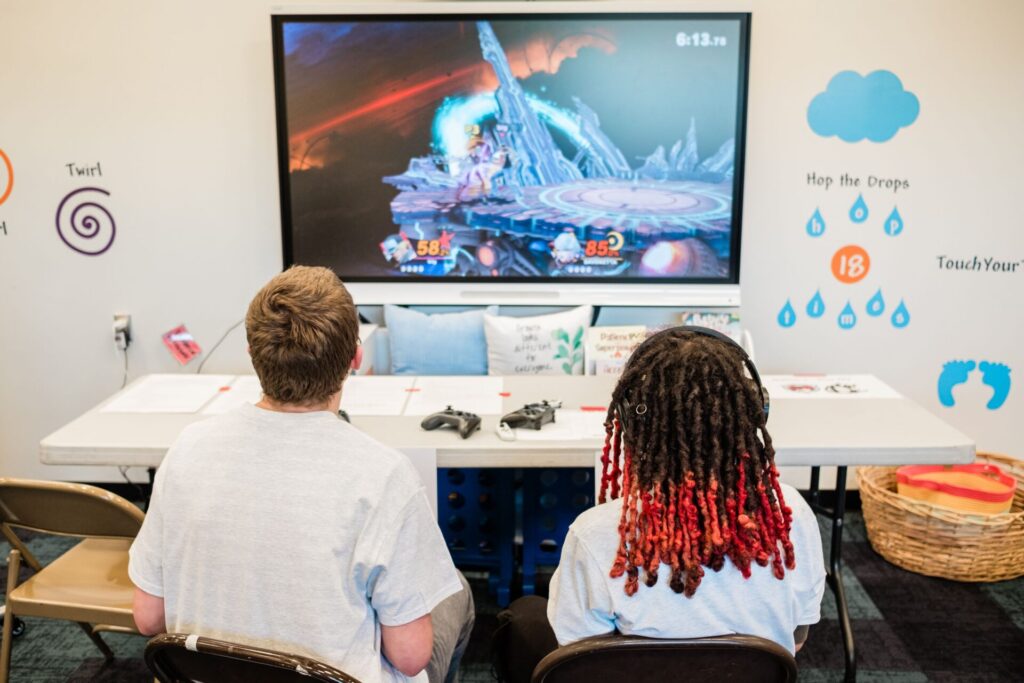
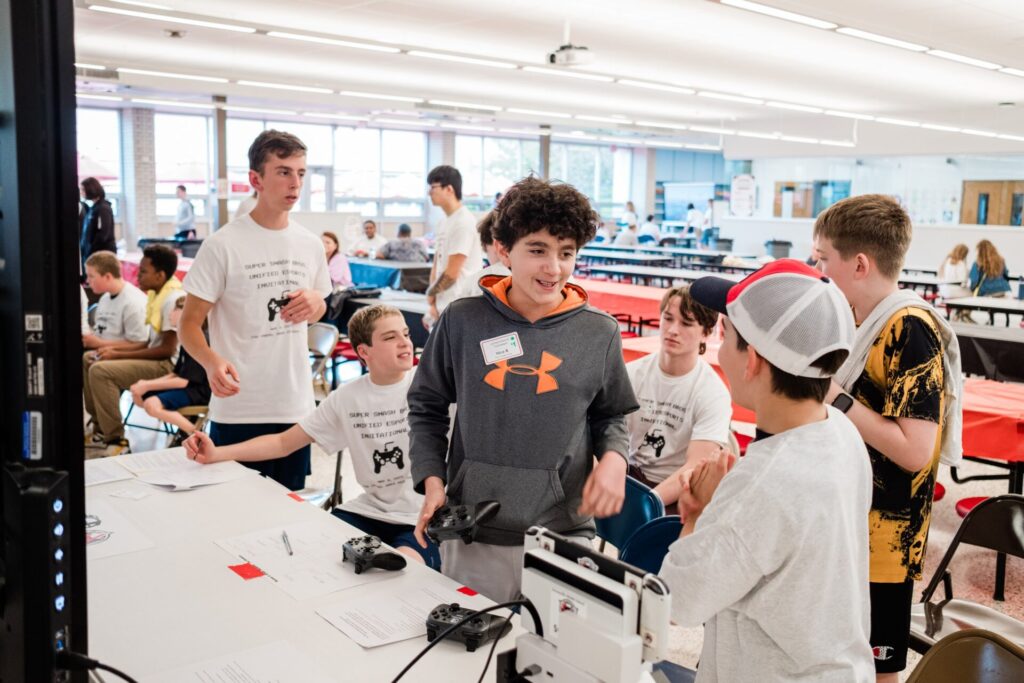
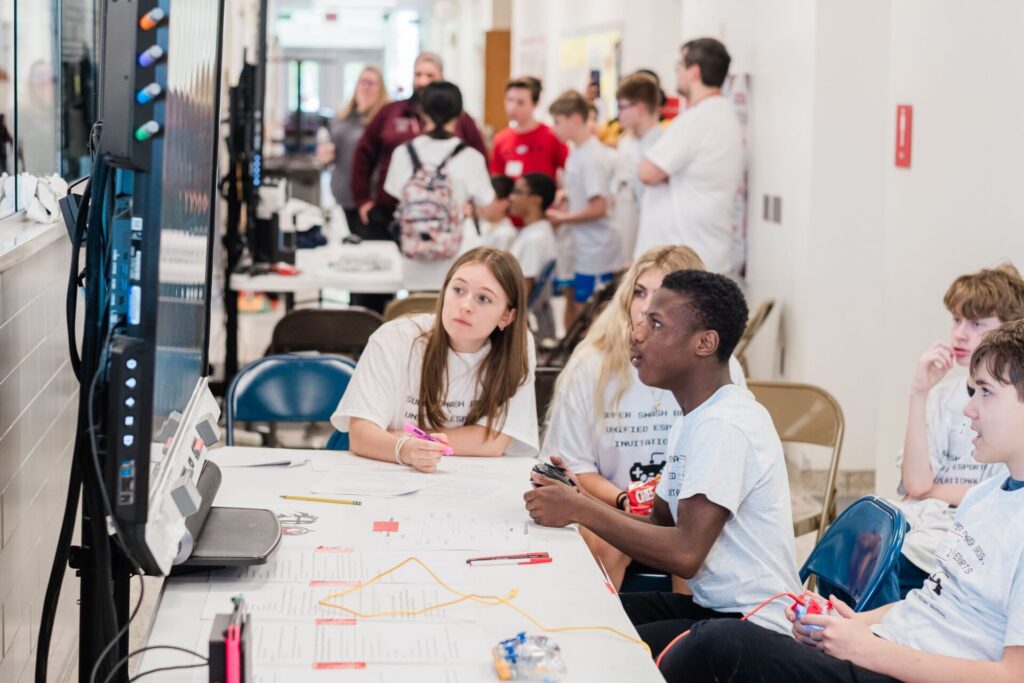
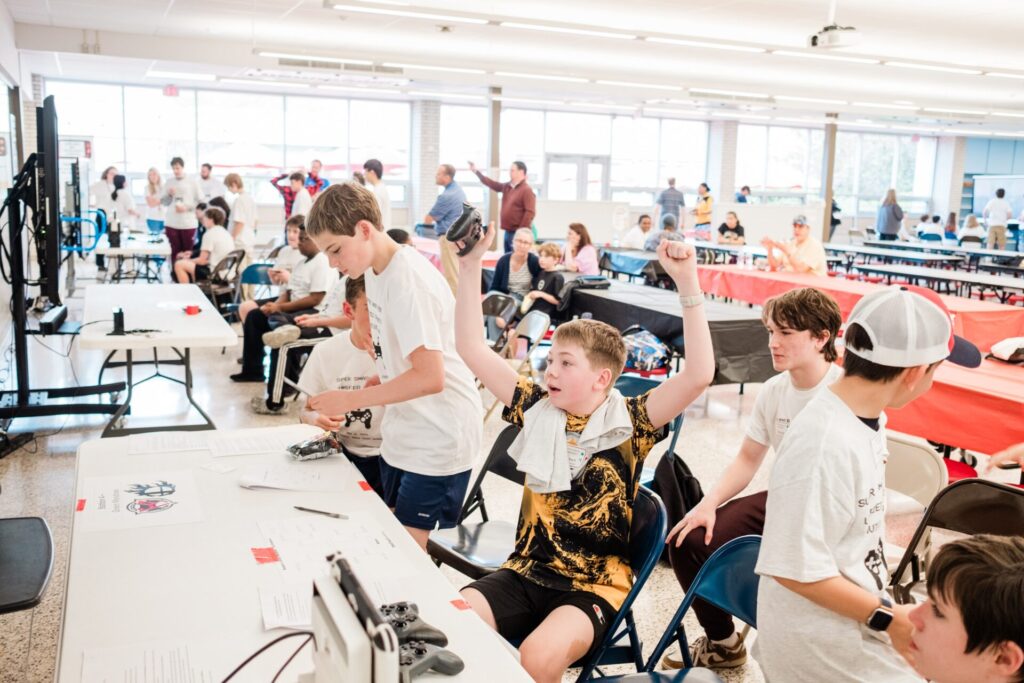
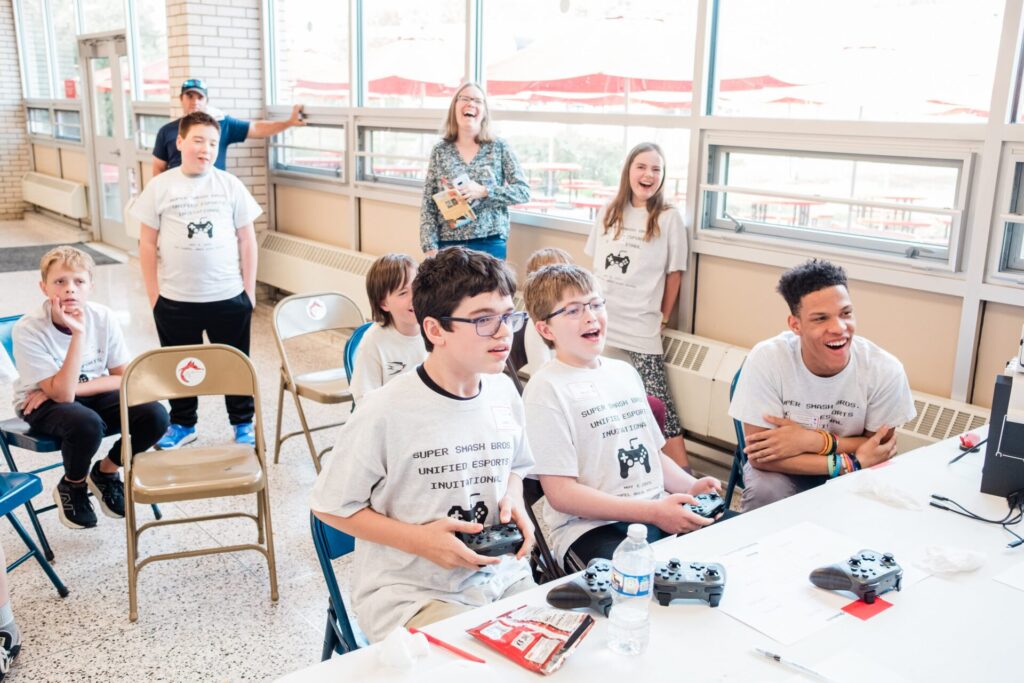
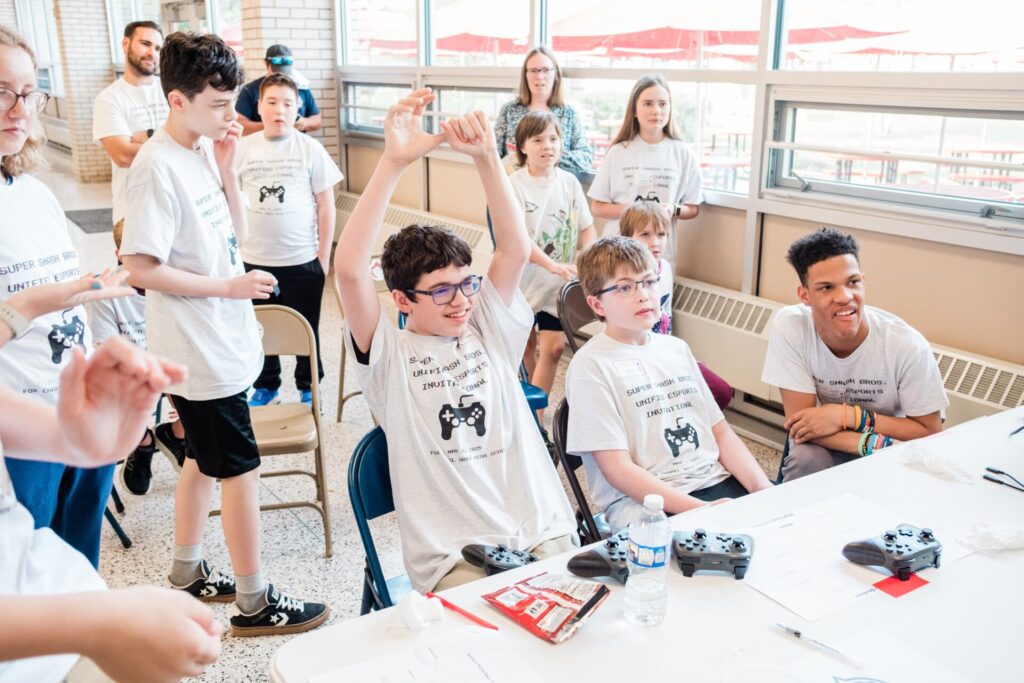
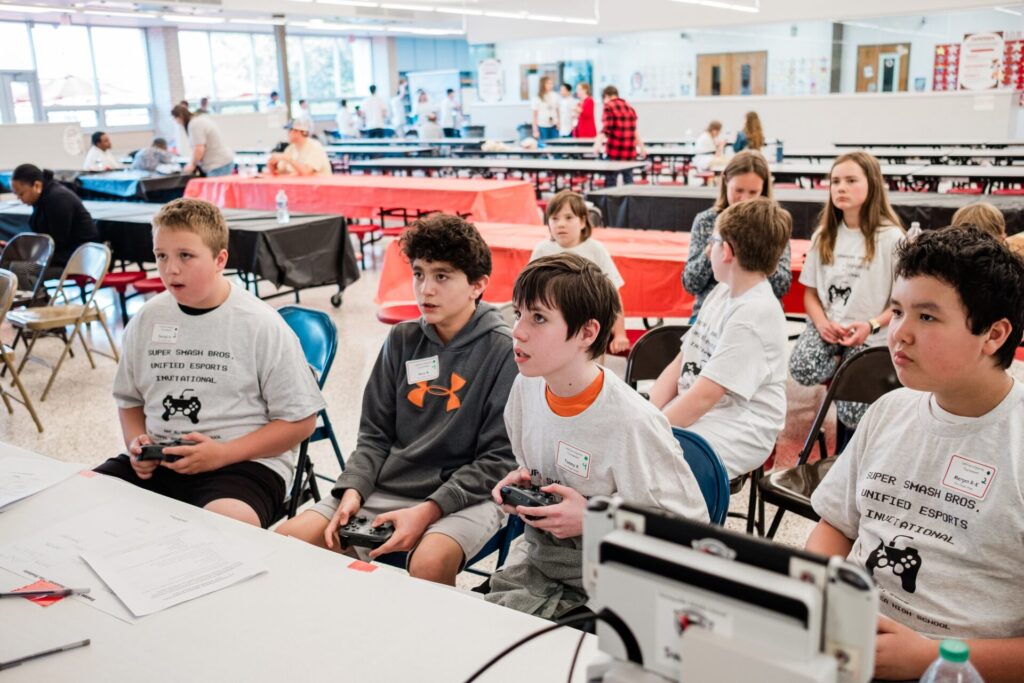
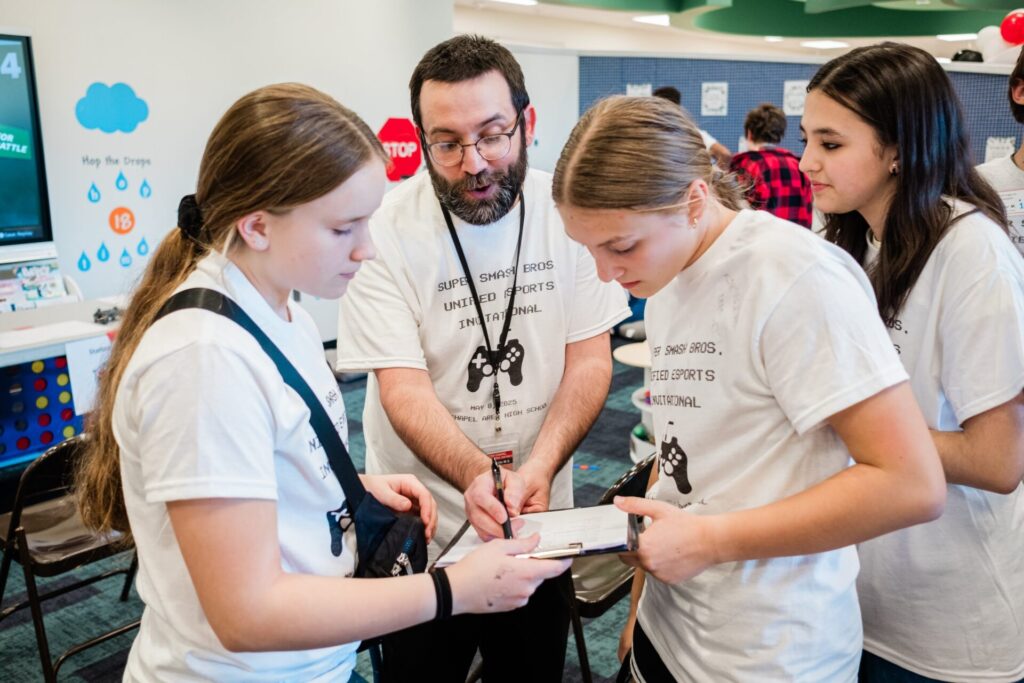
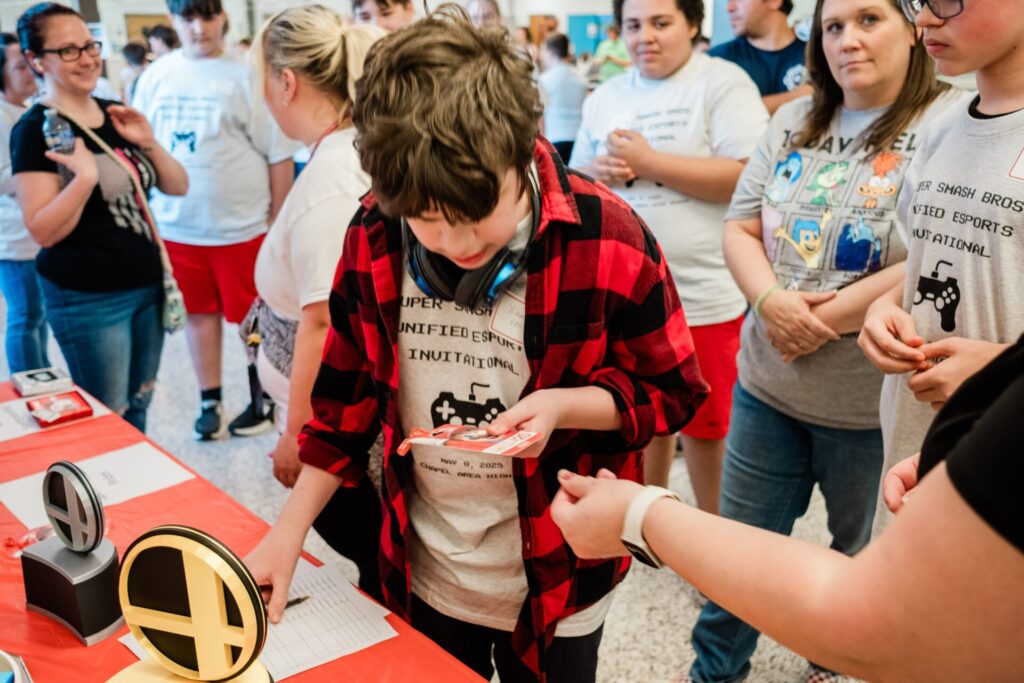
In many Pittsburgh-area school districts, Unified Bocce teams bring together students with and without intellectual disabilities to promote friendship and welcome more students into the fun of athletic competition.
Often, though, the dynamic is one of neurotypical students mentoring special education students. But what if there was a Unified league where all students had a chance to excel for their team — and neurodiverse students might take the lead?
“When we started thinking about ways that we see our students who are neurally diverse really thrive,” Collett says, “we knew one of the things they thrive at often was gaming.”
Collett and her colleagues began researching by reaching out to the Special Olympics, which connected them with a company called Play VS. “We asked which games students have the most success playing in a collaborative way,” Collett says, “because gaming can also be really isolating, and we wanted to make sure that didn’t happen.”
Then they reached out to other school districts: Were they interested? What might they need in order to get involved?
“Some districts needed screens and everyone needed Switches,” she says. “We really wanted to make sure that we were approaching it in an individual way.”
As enthusiasm grew, the league was launched with weekly scrimmages, then weekly games against one another. Neurodiverse and neurotypical students were soon having fun and connecting in new ways.
“We were seeing the students who are neurally diverse beating the students who are not. And so while all unified sports are really special because they provide this beautiful collaboration, I feel like this unified sport is probably my personal favorite,” Collett says. “It is sort of flipping the script on who’s helping who.”
She has also been delighted to see so many local tech companies stepping up to offer gaming gear and other kinds of support. Local restaurants have even donated pizza and other refreshments for the players.
It was more than just “the monetary support, which was lovely,” she says, “but also they were really genuinely so excited about this opportunity. They were just fully on board.”
With so much community support, the league is planning to host another in-person Invitational tournament this spring — something the students and teachers are excited about.
“Sometimes it only takes one experience to change the trajectory or to open a door or to give someone confidence,” Collett says. “If this is that one experience, that’s just one more reason to keep doing it and to reach other students.”
Transforming Butler Main Street into a Classroom
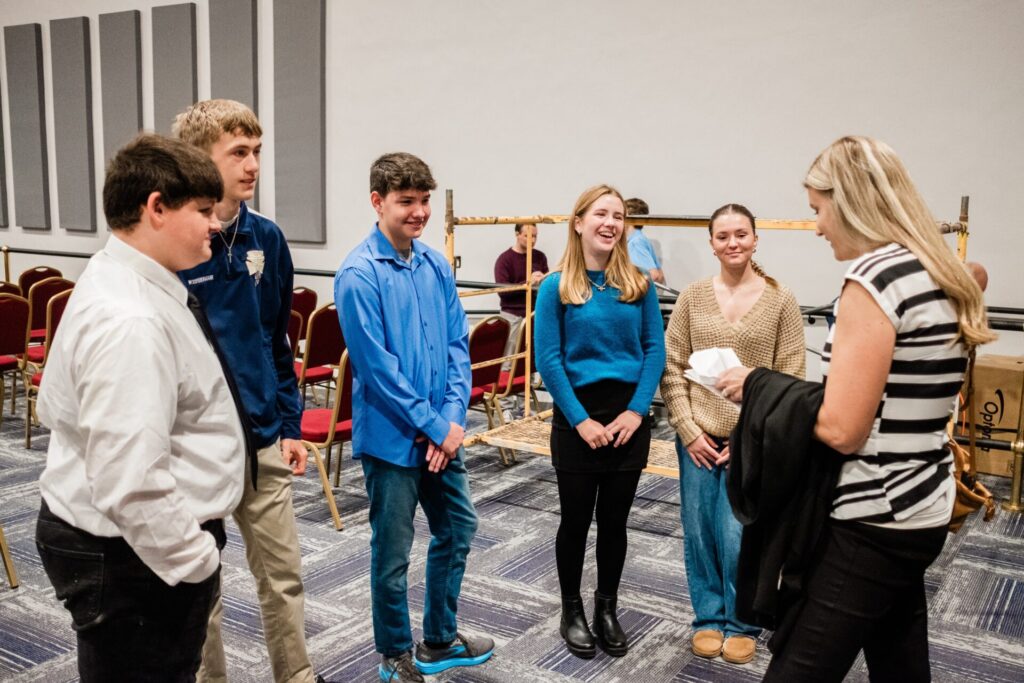
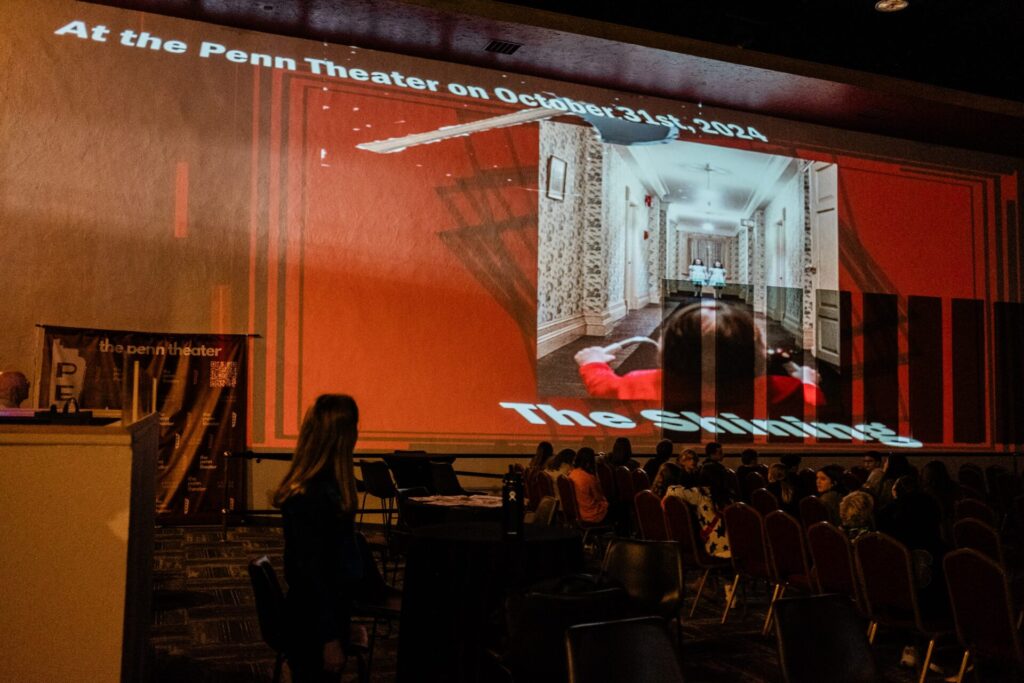
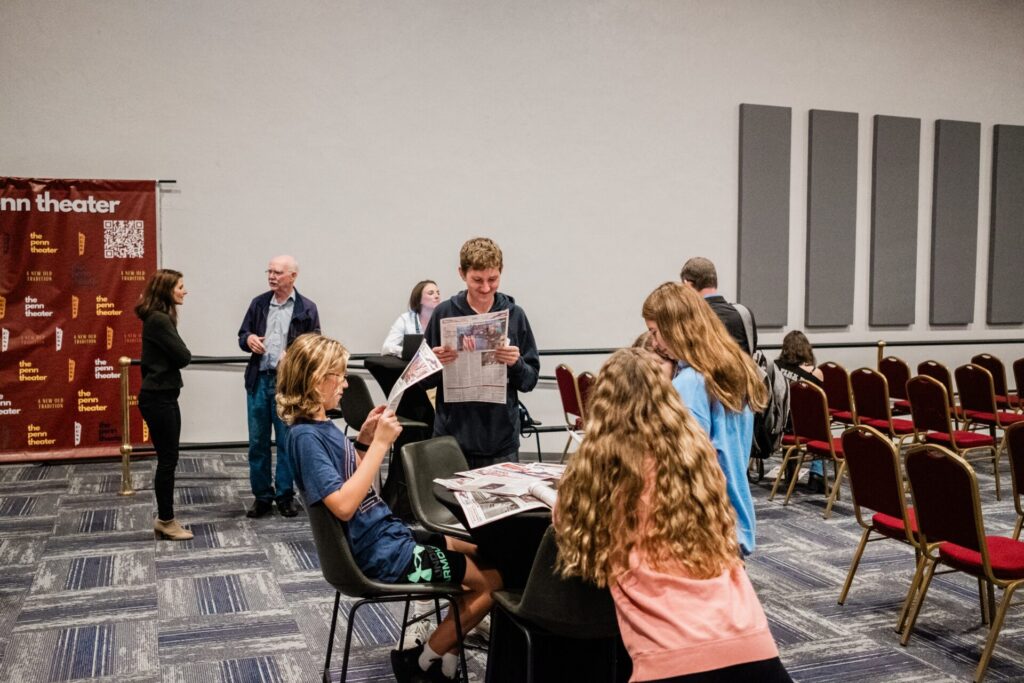
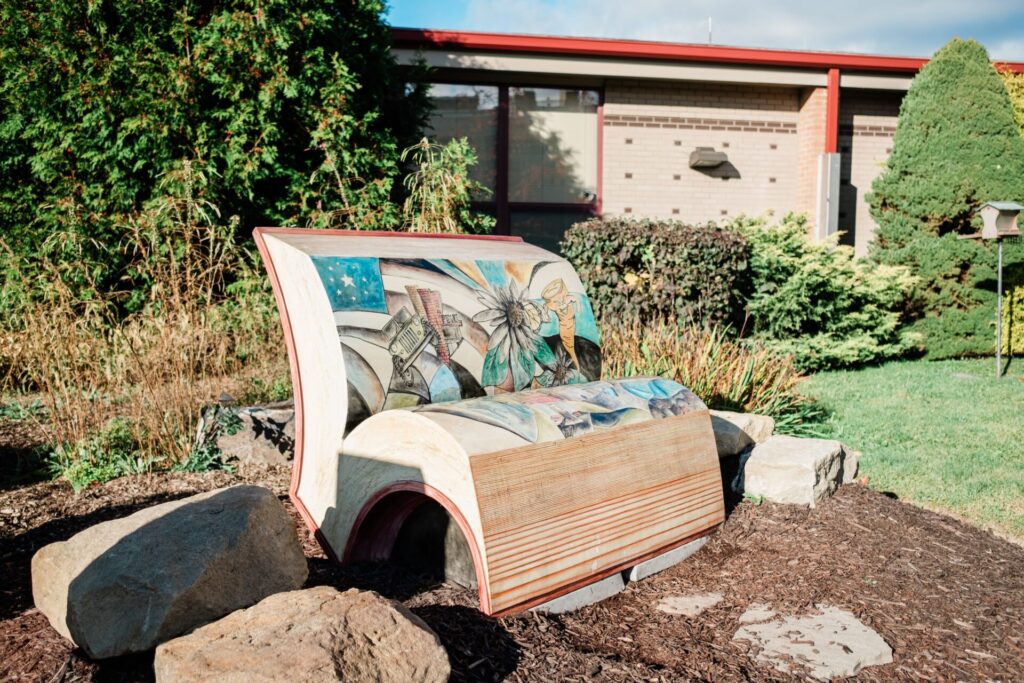
In school districts throughout the Pittsburgh area, you’ll find many kids who know the joy of taking afterschool dance, voice or music lessons that include public performances where family and neighbors can applaud their hard work. Other kids take art classes culminating in gallery showings that the entire community is welcome to attend.
These students learn discipline and project management skills while preparing for these events. They build confidence outside of their classrooms. And as they dip their toes in the experience of appearing publicly in these creative roles, they begin to explore the possibilities and challenges of creative careers.
But for every child who grows through these experiences, there are others whose families can’t afford to pay for lessons or can’t logistically get their kids to creative learning programs outside of school. Despite their desire to showcase their talents, many children don’t get these formative experiences.
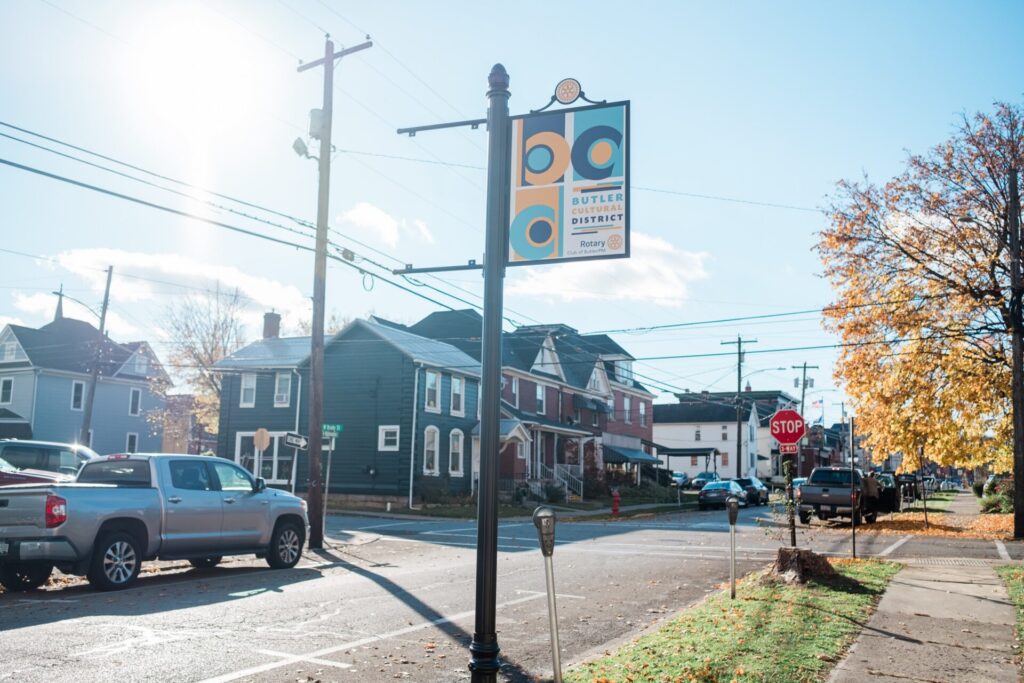
That’s changing at Butler Area School District, which aims to bring the talents of local students to an indoor farmers’ marketplace that’s currently only used when crops are blooming. The district’s vision is that once a month from November through May, they will fill this centrally located venue with a celebration of the talents of local students.
“If you host a concert at your school, those students will be performing only for their parents,” says Kara Droney, communications director for Butler Area. “But if you bring your singers, your musicians, your artists out into the community, they can perform and share their skills with everyone.”
This project will enable parents to see even more of what their children are doing at school, while connecting non-parents with the school community. Students will be inspired to elevate their creative work and challenge themselves to share it in this public venue.
This initiative is just one of multiple projects happening through the district’s Moonshot-funded partnership with the city of Butler, which is slowly transforming the city’s Main Street into an immersive learning environment.
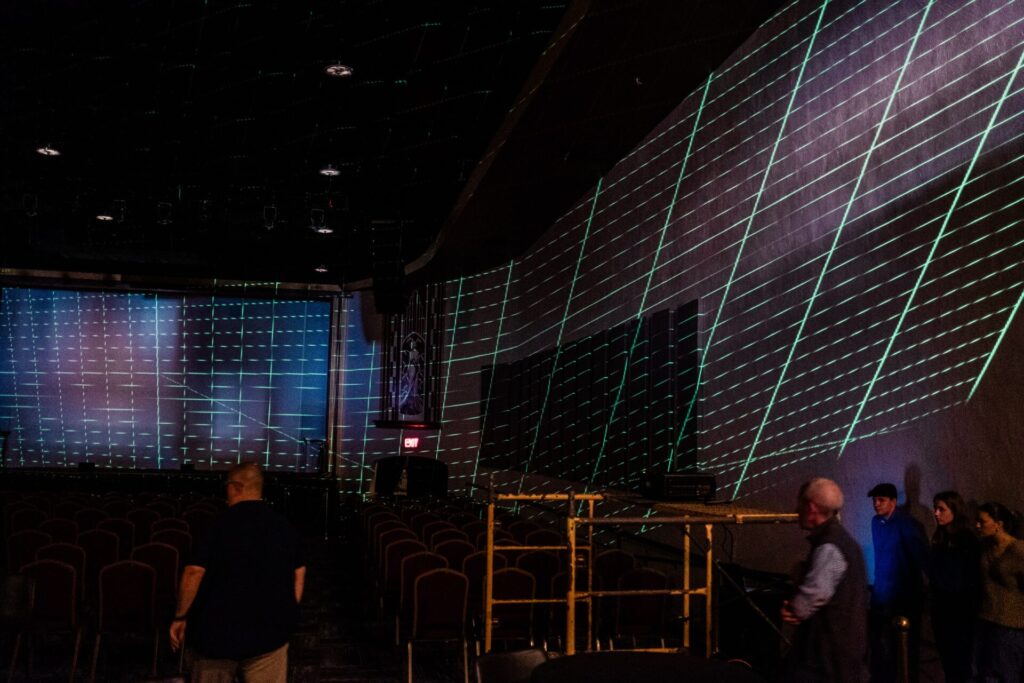
During the current school year, students continue to expand on their interactive Youth Arts Alley and are making further progress with projection mapping technology, among other projects happening under the umbrella of this Moonshot Grant. Mobile carts filled with personalized learning resources are also bringing new experiences to Butler Area’s students. These Popup Maker Spaces have already begun visiting district classrooms and plans are being made to bring these mobile carts to community events, as well.
All of this is designed to offer diverse and inclusive opportunities for all students, especially those from underrepresented groups.
“There are so many levels to what our students are learning, how they’re increasingly able to share that learning with their parents and neighbors, and how these experiences are helping them learn to be better community members,” Droney says.
Bringing the spirit of the Special Olympics to Robotics
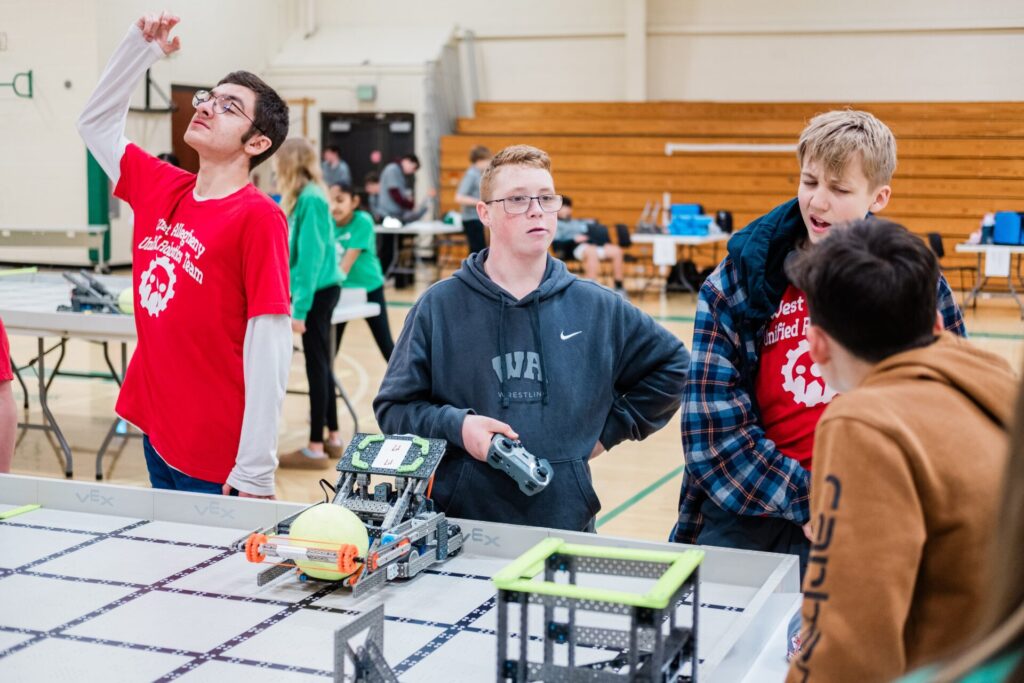
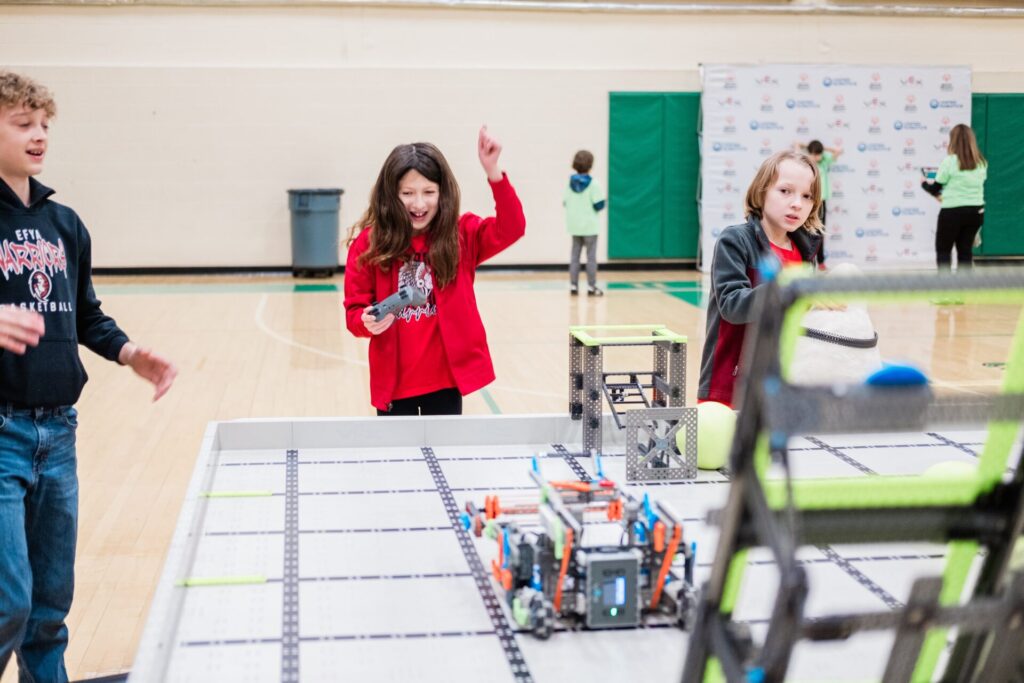
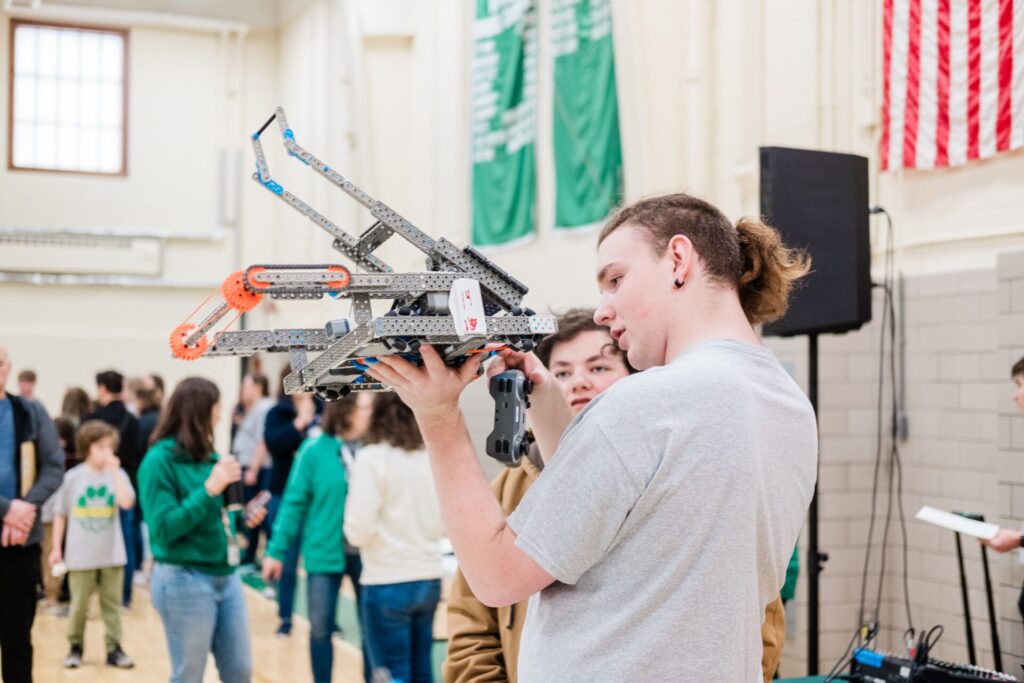
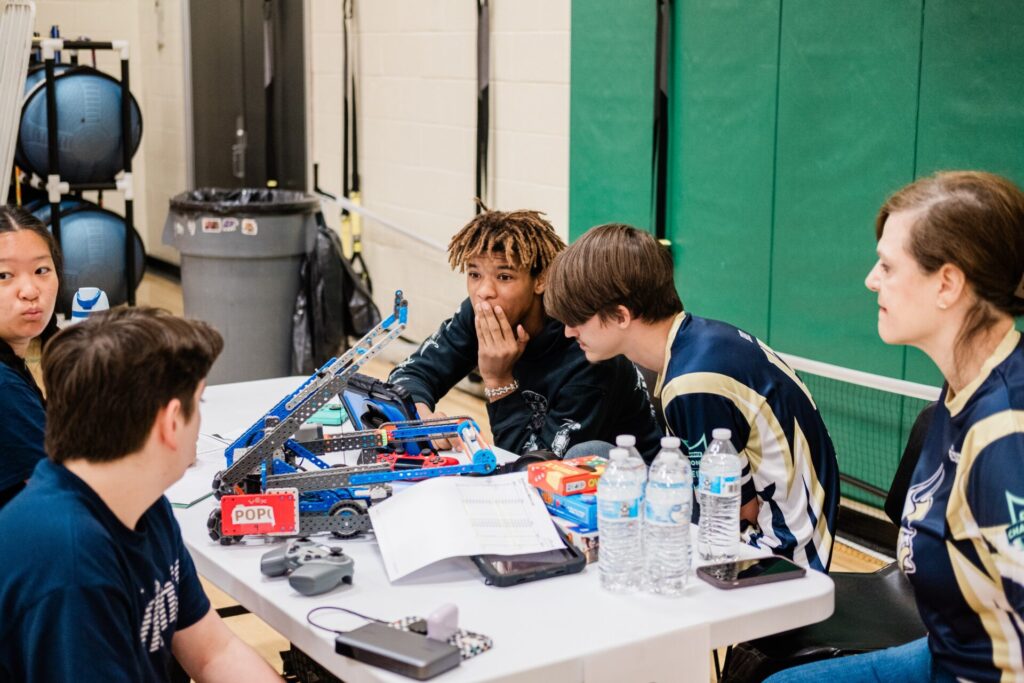
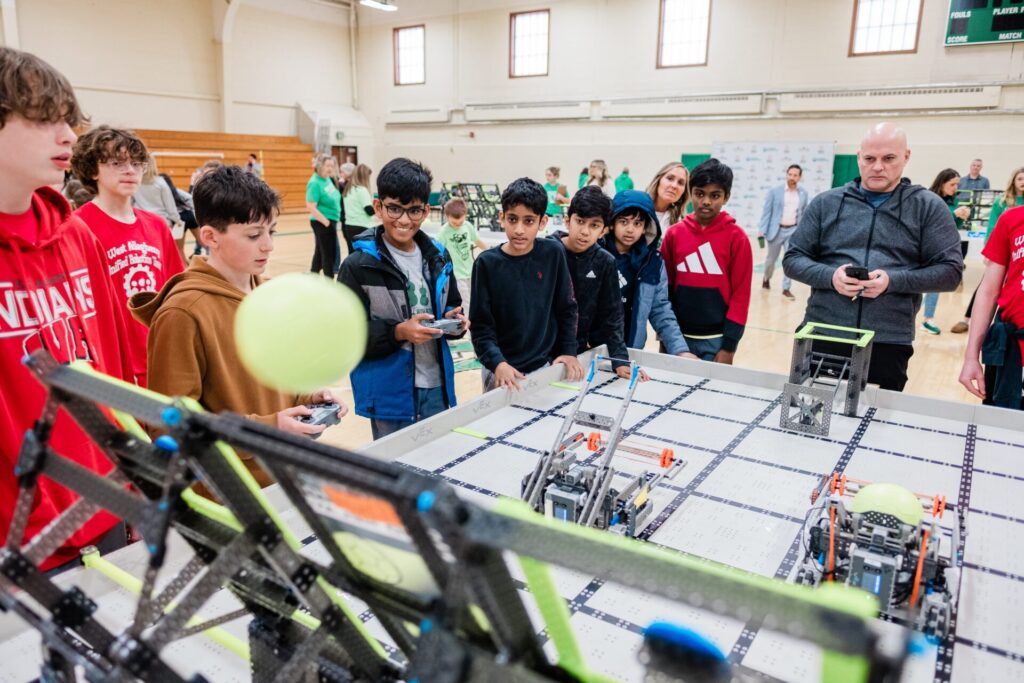
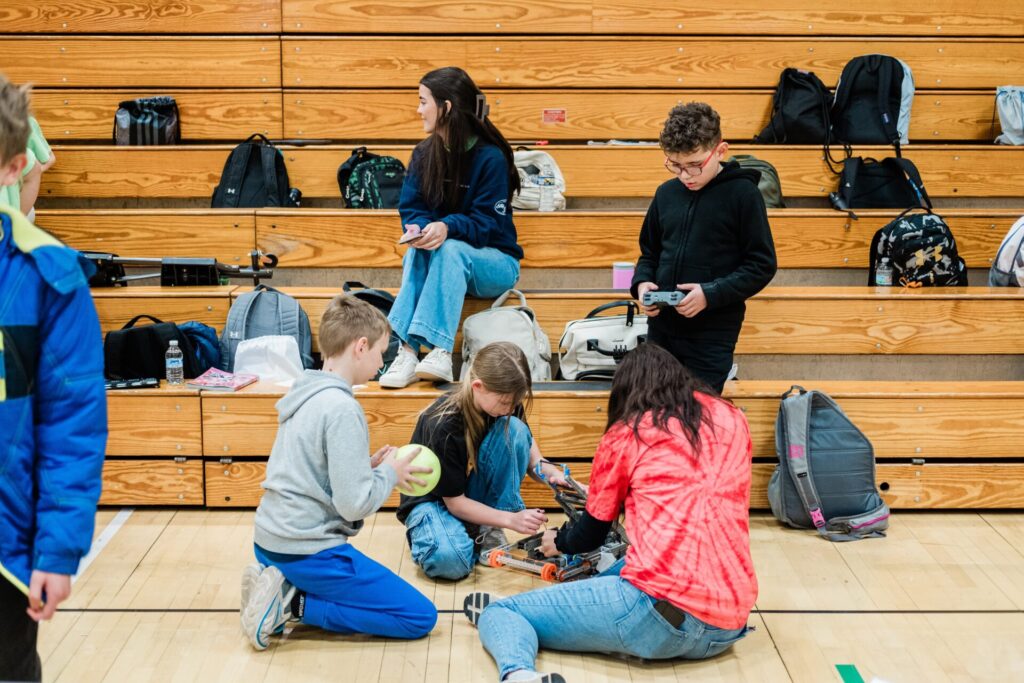
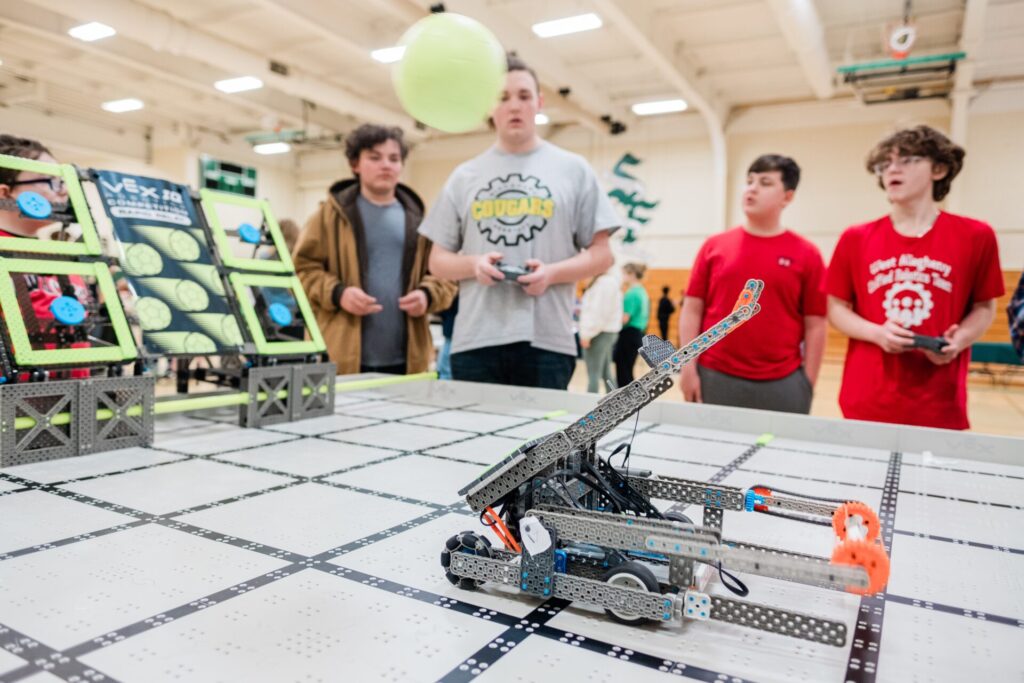
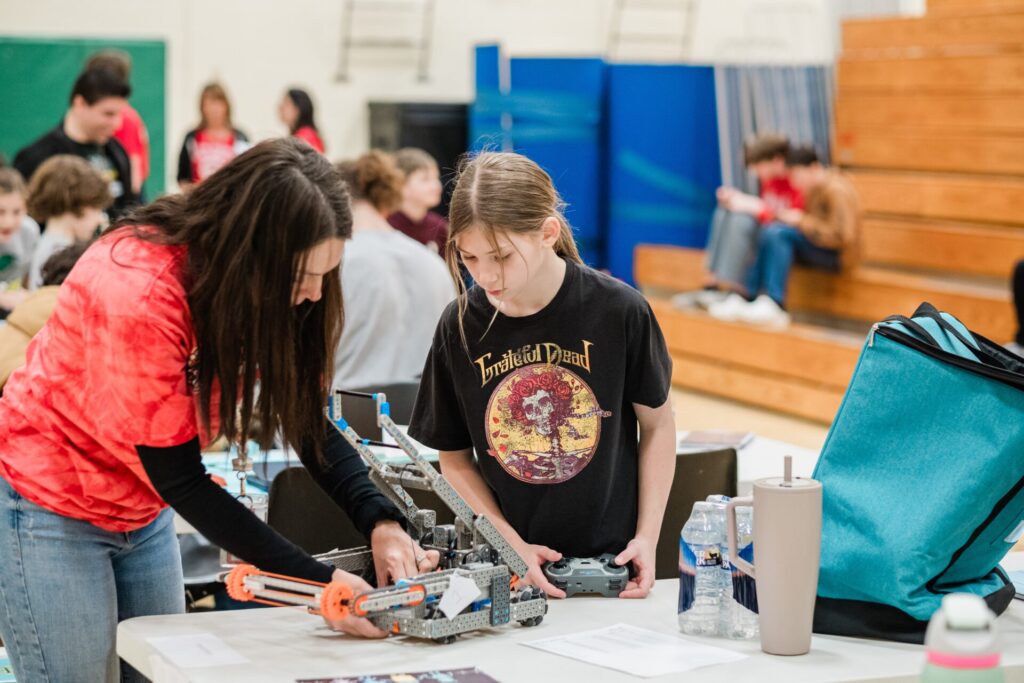
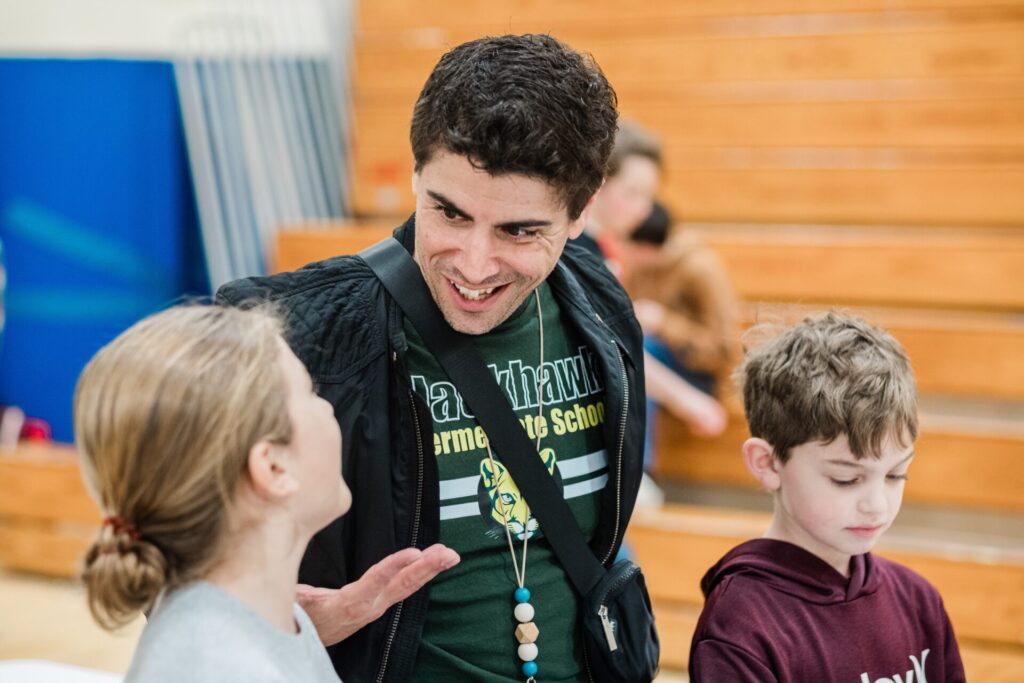
From the first days of pre-K all the way through the end of sixth grade, robotics and computer science are woven through daily life for every student at Woodland Hills School District. And from seventh grade through senior year of high school, these learners can take multiple robotics-related electives.
But until recently, only a fraction of those students got involved in robotics competitions.
The kids who went out for the district’s robotics team “were mostly our high-achieving regular ed students, who didn’t have IEPs and didn’t have any kind of learning disabilities,” says Dr. Eddie Willson, assistant to the superintendent for curriculum and instruction at Woodland Hills. “They were kind of our traditional high-achieving scholars.”
The districts leaders didn’t want any of their students to be left out.
“100% of our kids are getting robotics and computer science, but only a small amount were able to access the competition side,” Willson says. “So we wrote the Moonshot grant to offer Unified Robotics.”
Teams of students with and without disabilities now work together to demonstrate their learning, while building collaboration and communication skills.
As with Collett’s Unified eSports league, Willson and his colleagues started by reaching out to the Special Olympics for help envisioning what Unified Robotics might look like. They also collaborated with the Pittsburgh-based tech company Vex Robotics, which was already working with Woodland Hills on their in-school curriculum.
The league began with nine districts. Kids soon were thriving and embracing STEM learning in new ways.
“A lot of our kids are really passionate about the robotics piece,” Willson says. “A lot are passionate about the video game aspect of driving a robot. A lot are passionate about the coding. And a lot are just passionate about the social aspect.”
The league quickly blossomed from nine districts to 12 last year. This school year, it has grown to include 16 districts. Willson expects that number to keep rising.
Districts throughout the region are finding that the league “allows for everybody to feel accepted and welcomed,” he says. And now that the Moonshot Grant from Remake Learning has covered startup costs for equipment and game fields, “every district is saying, ‘Absolutely, we’re going to continue this.’ Because now the costs are just maintenance costs.”
Kids are creating new friendships within their own districts, but the league offers more than that: It’s common for districts to form alliances with teams from other schools.
“Now I’ve got kids who have not necessarily felt welcome or included in school, let alone in afterschool and extracurricular activities, who are forming bonds and relationships with kids from all over Southwestern Pennsylvania, around computer science and robotics,” Willson says.
Best of all, “scholars who traditionally might not have thought of engineering or robotic computer science as a career path are now thinking of it as something that they are successful in.”
Meet the Storytellers
Writing: Melissa Rayworth
Melissa Rayworth is a writer for regional and global news outlets, and a communications consultant who works with people, foundations and companies to tease out and tell their stories across media.
Photography: Ben Filio
Ben Filio is a project manager and creative storyteller in Pittsburgh, PA. He has been documenting Remake Learning for more than a decade.