In Pittsburgh, teens are showing the city where civic life begins, and where it grows.
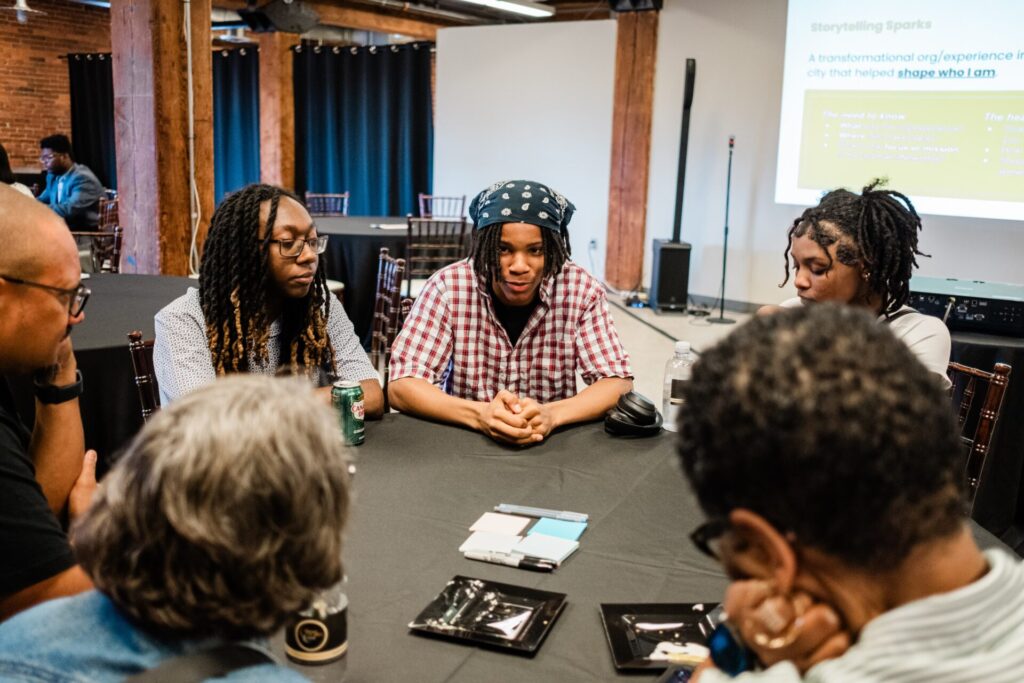
At the Senator John Heinz History Center, a group of teens stood before a packed room of educators, nonprofit leaders, and city officials and shared what they’d spent months building: a new kind of civic map. A map of relationships and inspiring spaces. Not one focused on formal programs, but on places where young people are telling us they feel seen, heard, and powerful.
One student put it simply:
“We are the future and must be part of the conversations about our future.”
And in Pittsburgh, they are.
Why Mapping? Why Now?
Across Pittsburgh, teens are connecting with civic life in ways that are often overlooked. They’re leading youth councils and joining local government conversations. But they’re also finding belonging in afterschool programs, museums, and even music studios.
Without a map, these opportunities stay disconnected.
As Cameron, a student leader, put it:
“I feel like that’s one of our [city’s] areas of growth – [naming] how youth can experience the city of Pittsburgh in a fruitful way, so they can learn about themselves, learn emotional intelligence, and more.”
Similarly, one attendee reflected, “Until young people feel like their ideas are heard, they can’t get to that bigger place of seeing themselves as people who shape the world.”
The Civic Learning Ecosystem set out to address that need. By mapping the onramps to civic learning, teens are creating a new way for the city to understand how young people step into civic life.
“This program [mapping the ecosystem] has fostered a lot of really good conversations,” Cameron shared. “I was able to bring an informed perspective and ideas about what I desire for the future.”
Another student leader, Trevon, said, “This [map] is going to be very beneficial in the long run. It helps others who are either lost or need somewhere to go, whether that’s to get involved, make change, or simply find someone to talk to, it’s a great way to promote and acknowledge.”
What the Map Reveals
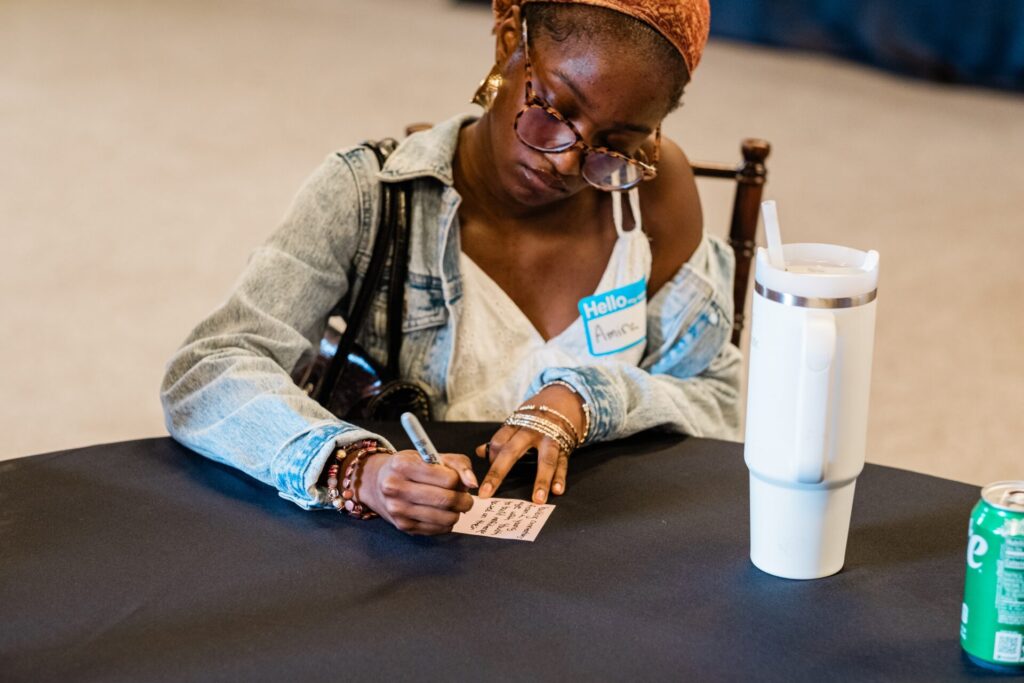
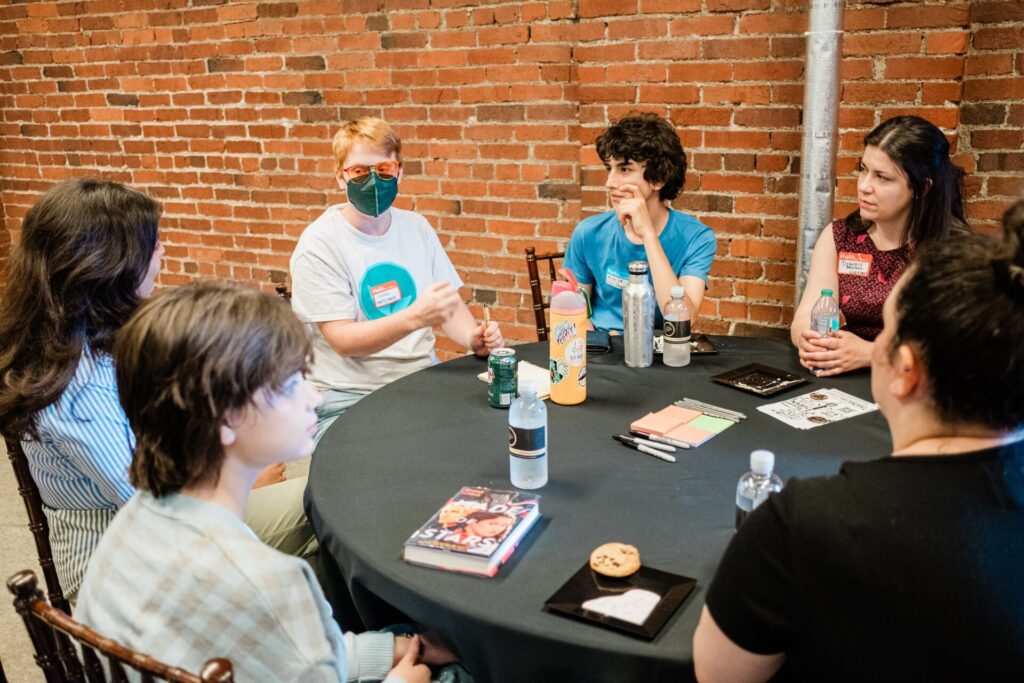
When teens took the mic, they started by telling their own stories. With giant sheets of paper and colored markers, they mapped their own identities: their strengths, their curiosities, their needs.
From there, they named the spaces that helped them grow.
- A radio station that taught storytelling.
- A leadership program that turned them into public speakers.
- A museum where they felt safe to ask questions.
- A youth group where their passion for making the community safer took root.
One student leader, Yurron, reflected on the difference:
“For a lot of youth, school isn’t a place where learning feels exciting. But when learning happens outside of school, in different spaces, it can be more engaging.”
From their work, a clear pattern emerged: the places and experiences they wanted most, were the ones where they were seen, trusted, and invited to contribute.
“I’ve been on a journey to set myself up to the next level,” said Amira. “This opportunity felt like a way to take initiative and become the leader I’ve always wanted to be.”
A New Definition of Civic Learning
In Pittsburgh, civic learning is about feeling, doing, being, and becoming within a network. We know democracy can’t follow until young people are safe, seen, and thriving.
“I really wanted to not only make a difference, but make sure everyone is heard and accounted for. Whether that’s youth, adults, or elders,” said Trevon, a student leader who knew that this work is part of a larger movement: to move from programs to ecosystems. Schools, libraries, nonprofits, museums, youth centers, all working together as threads in a tapestry of civic learning.
It’s a shift from adult-led lessons to youth-driven learning journeys through community.
Teens as Mappers, Leaders, and Connectors
The map unveiled during the event is a tool designed to grow and evolve as more young people add their voices in the coming months.
Yurron echoed a deeper challenge for the network:
“I hear talk about how we [teens] are inexperienced, so we don’t know what’s going on in the ‘real world.’ But that ties into trust between youth and adults. It’s hard to step into spaces like this when you don’t trust the people you’ll be working with.”
The map is an invitation to build trust, foster connection, and reimagine civic learning as a shared project between youth and adults.
What’s Next?
The mapping project revealed something powerful: traditional civic learning too often starts in the wrong place. It jumps ahead to structures and systems before building the foundational experiences of belonging, well-being, meaning and purpose.
In Pittsburgh, students are flipping the script. They’re naming civic learning as any place where they feel they matter. Because that’s the spark that leads to their caring and curiosity about what it takes to build a better tomorrow.
“Connection matters to me. Really,” Yurron said. And that connection is what Pittsburgh’s Civic Learning Ecosystem is working to nurture.
The youth-led map will continue to grow, expanding as more teens add their voices. But the deeper work, the conversation about what the city wants to be, has already begun.